Tracing Pathways from Curated Hubs to Regulatory Expertise in Digital Table Games
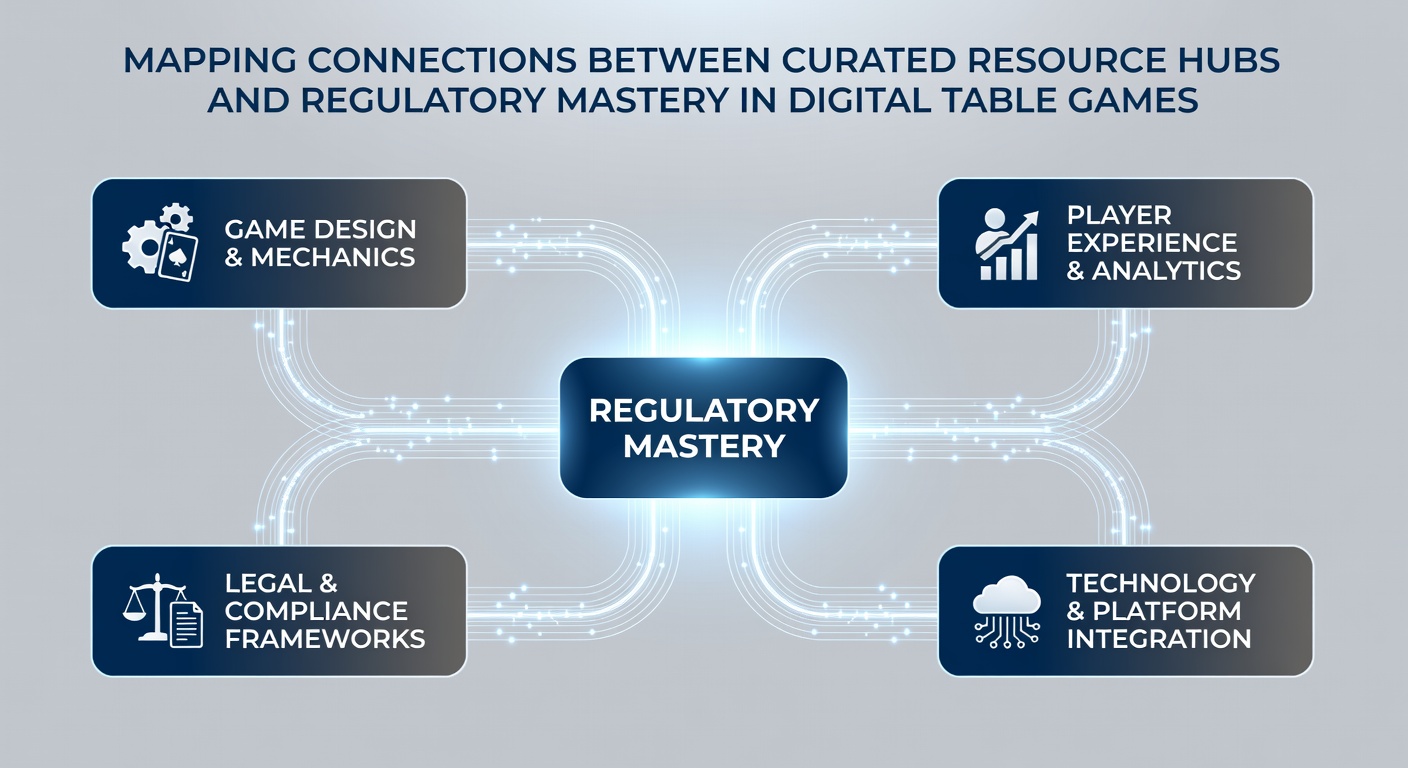
Digital table games operate under layers of rules that shift across jurisdictions, and curated resource hubs collect these details into accessible formats for operators, developers, and compliance teams. These hubs organize statutes, licensing requirements, and game-specific directives so users can locate relevant information without scanning dozens of separate government portals. Data from industry reports shows that platforms maintaining updated rule databases experience fewer compliance incidents when jurisdictions revise payout structures or technical standards.
Structure of Curated Resource Hubs
Hubs typically group materials by region and game type, with sections for blackjack variants, poker protocols, adn roulette configurations that include both core rules and recent amendments. Researchers at academic institutions have documented how such aggregation reduces the time needed to verify multi-jurisdictional compliance, especially when operators expand into new markets. In May 2026 several platforms introduced fresh sweepstakes-style table game offerings, and the hubs incorporated the corresponding state-level restrictions within days of publication, allowing users to adjust their systems accordingly.
Elements of Regulatory Mastery
Mastery requires ongoing attention to licensing conditions, software certification, and player protection measures that differ between the Alcohol and Gaming Commission of Ontario and comparable bodies in other regions. Operators track age verification protocols, responsible gaming limits, and random number generator standards through centralized updates rather than individual agency notices. Studies indicate that teams using consolidated resources demonstrate higher accuracy when preparing audit documentation because they draw from cross-referenced sources instead of isolated documents.
Mapping Direct Connections
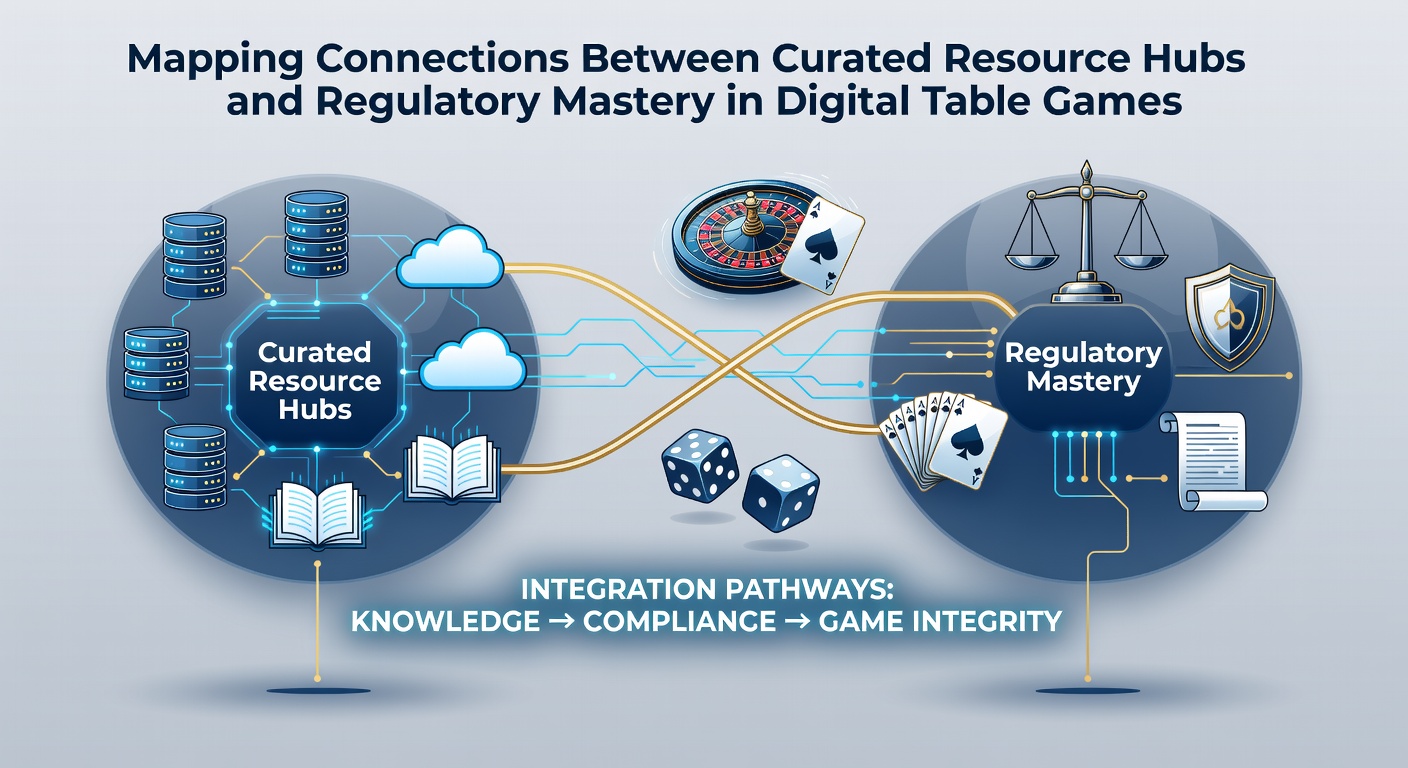
The connection between hubs and mastery appears in the way curated collections flag overlapping or conflicting rules across borders, which helps teams anticipate regulatory friction before launch. One study revealed that organizations integrating hub alerts into their compliance calendars recorded measurable reductions in revision cycles for game software. Hubs also link to primary government sources, enabling users to move from summary entries to full legal texts without losing context.
What's interesting is how these mappings extend beyond static rule lists to include enforcement trends and penalty schedules that regulators publish periodically. Teams monitor these patterns to adjust internal controls, particularly for table games where live dealer streams introduce additional jurisdictional questions. In practice the hubs function as early-warning systems, surfacing proposed rule changes weeks before they take effect.
Practical Applications in 2026
During May 2026 expansions of social casino formats, several operators relied on hub-maintained matrices that compared sweepstakes mechanics against traditional wagering rules in multiple states. These matrices highlighted differences in prize structures and advertising language that required immediate legal review. Industry associations have noted similar patterns in other periods of rapid market entry, where aggregated resources shortened the gap between regulatory publication and operational adjustment.
Training programs for new compliance staff increasingly incorporate hub interfaces because the structured layout mirrors the actual workflow regulators expect during inspections. Participants learn to navigate from game description to technical standard to enforcement precedent in a single session, building familiarity that supports faster decision-making when live issues arise.
Conclusion
Curated resource hubs and regulatory mastery in digital table games form an interdependent system in which organized information directly supports accurate application of rules. The pathways between these elements continue to evolve as jurisdictions release new guidance and technology changes the delivery of table game content. Organizations that maintain consistent connections to these hubs position themselves to meet compliance expectations across shifting regulatory landscapes.