Tracing Algorithmic Integrity in Remote Wagering Ecosystems: Fairness Protocols and Player Protections
Carlo Wagner · Jun 25, 2026
Tracing Algorithmic Integrity in Remote Wagering Ecosystems: Fairness Protocols and Player Protections
Remote wagering ecosystems rely on complex algorithms to determine game outcomes, process bets, and manage player accounts, which creates a need for continuous verification of those systems to maintain integrity. Researchers have documented how operators deploy random number generators alongside cryptographic verification methods that allow independent audits without exposing proprietary code, while regulatory bodies track compliance through standardized testing protocols. In June 2026 several jurisdictions updated their reporting requirements to include real-time data feeds from live dealer platforms, expanding the scope of what counts as verifiable algorithmic behavior.
Core Components of Algorithmic Fairness
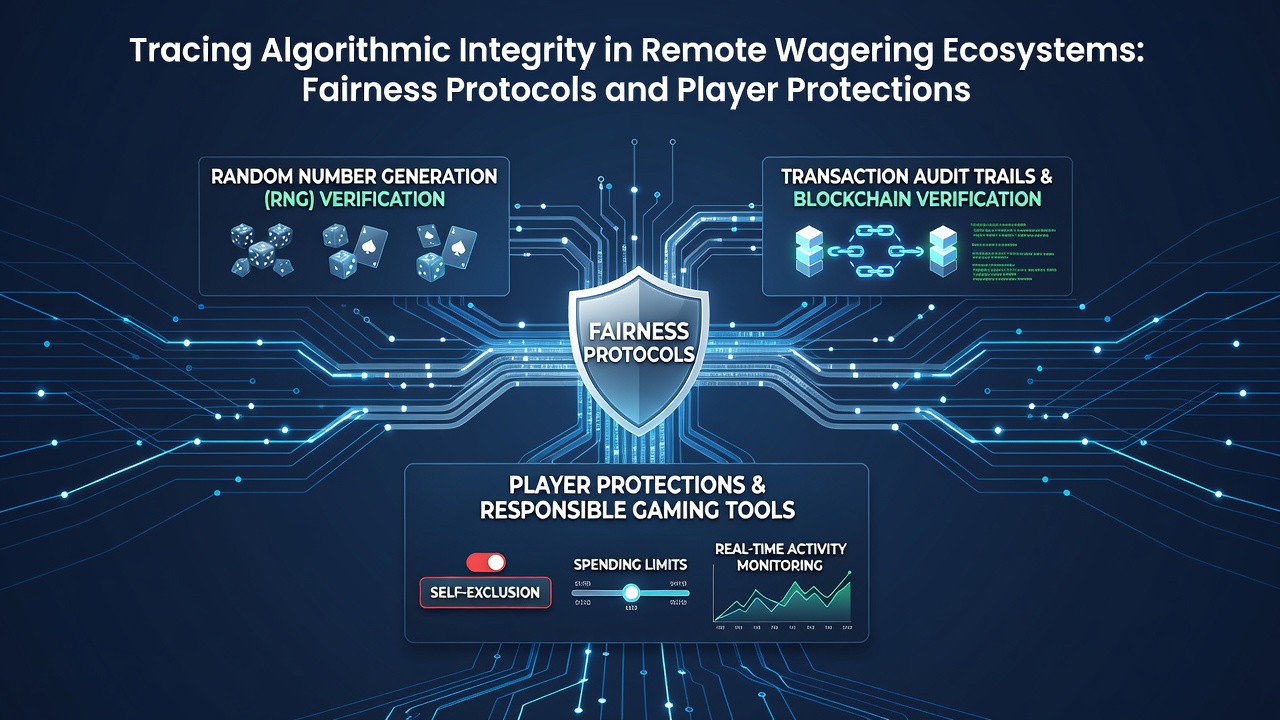
Fairness protocols begin with certified random number generators that undergo periodic evaluation by accredited laboratories, and these evaluations measure statistical distribution across millions of simulated outcomes to confirm absence of bias. Observers note that blockchain-based ledgers now supplement traditional RNG testing by creating immutable records of each game round, allowing any participant to reconstruct sequences after the fact. Data from the Nevada Gaming Control Board shows that certified systems must demonstrate return-to-player percentages within defined tolerances, and operators submit monthly summaries that regulators cross-check against raw server logs.
Certification standards also address side-channel vulnerabilities such as timing attacks or memory scraping, where third-party testers simulate hostile environments to measure resilience. Those who've studied these protocols understand that a single certification does not guarantee ongoing performance, which is why many frameworks require quarterly re-testing and immediate notification of any code changes that affect outcome generation.
Player Protection Mechanisms in Practice
Player protections extend beyond outcome fairness to include responsible gaming tools that algorithms enforce automatically, such as deposit limits, session timers, and self-exclusion lists that sync across multiple operators through centralized databases. Experts have observed that these systems reduce harm when they integrate behavioral analytics capable of flagging rapid bet escalation or unusual loss patterns, triggering interventions before accounts reach critical thresholds. Research indicates that jurisdictions using mandatory loss-limit defaults report lower rates of problem gambling markers compared with voluntary systems, though exact figures vary by demographic and game type.

Dispute resolution processes further rely on algorithmic transparency, where players can request round histories that include seed values and verification hashes. The Alcohol and Gaming Commission of Ontario maintains an independent review panel that examines contested outcomes using the same cryptographic tools available to operators, and decisions are published in anonymized form to build public confidence. Those who've examined case records find that most disputes stem from user interface misunderstandings rather than actual algorithmic errors, yet the existence of verifiable trails shortens resolution times significantly.
Regulatory Evolution and Cross-Border Standards
Regulatory frameworks continue to adapt as remote wagering expands into new markets, with emphasis on mutual recognition of testing certificates between regions to reduce redundant audits. European regulators have aligned certain technical standards under the European Committee for Standardization, while Australian state authorities maintain separate but comparable requirements that focus on server location and data sovereignty. In June 2026, discussions at an international gaming technology conference highlighted emerging needs for AI oversight, since machine-learning models used in personalized bonus systems can inadvertently create outcome disparities if not properly constrained.
Operators must now document how recommendation engines influence player behavior, and regulators request access to training datasets to verify that no protected characteristics affect bonus eligibility. This level of scrutiny represents a shift from purely statistical fairness toward broader questions of algorithmic accountability across the entire player journey.
Conclusion
Algorithmic integrity in remote wagering depends on layered verification that combines statistical testing, cryptographic logging, and behavioral safeguards, all subject to evolving regulatory expectations. Jurisdictions that publish clear technical standards and maintain independent oversight bodies create environments where operators and players share access to the same verifiable data. Continued refinement of these protocols remains essential as technology introduces new variables into wagering ecosystems.