The Role of International Payment Methods in Modern Casino Directory Curation
Riley Wagner · Jul 2, 2026
The Role of International Payment Methods in Modern Casino Directory Curation
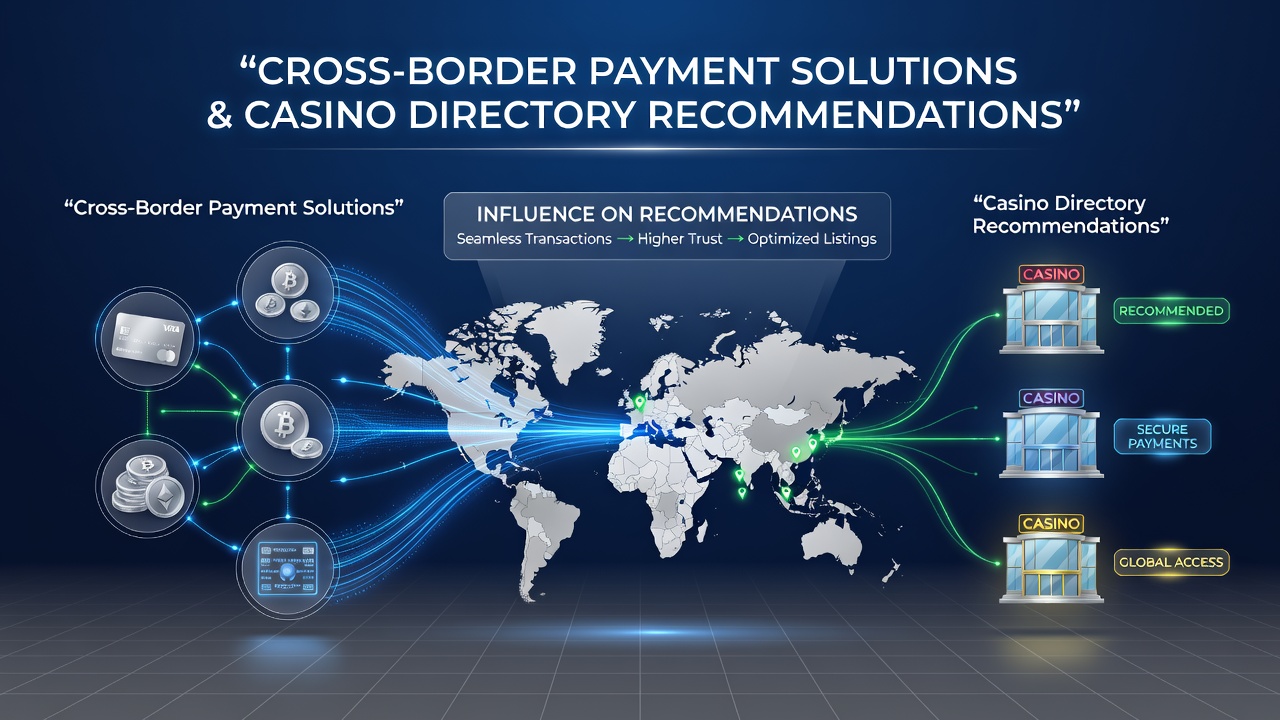
Cross-border payment solutions have become central to how directories evaluate and rank online casino platforms because operators must demonstrate reliable access to diverse funding options that work across jurisdictions. Directories track which sites support multi-currency processing, low-fee international transfers, and compliance with varying regional banking rules, and these capabilities directly shape inclusion criteria as well as placement within recommendation lists.
Payment Infrastructure and Directory Evaluation Criteria
Directories compile data on transaction success rates, supported currencies, processing times, and regulatory adherence when deciding which casinos appear in featured sections. Research indicates that platforms offering seamless connections to e-wallets popular in Europe, Asia, and the Americas receive higher visibility because users from multiple regions can deposit and withdraw without additional intermediaries. According to figures from the European Payments Council, cross-border transaction volumes in digital services grew steadily through 2025 and into July 2026, prompting directories to adjust their algorithms to prioritize sites with proven international reach.
Those who maintain directories often review operator partnerships with payment processors that handle compliance for multiple licensing bodies. Sites using solutions compatible with frameworks from the Malta Gaming Authority and the Australian Transaction Reports and Analysis Centre tend to rank more consistently because they reduce friction for players traveling or relocating between regulated markets. This alignment allows directories to present options that function reliably regardless of a user's primary banking location.
Regulatory Shifts and Their Effects on Listings
Regulatory changes in several jurisdictions have influenced how directories filter recommendations. New reporting requirements for cross-border transfers took effect in parts of the European Union during early 2026, and directories responded by elevating casinos that already integrated processors meeting those standards. Observers note that platforms slow to adopt updated verification procedures for international users saw their positions drop in search results and editorial roundups.
Directories also monitor developments outside Europe. Canadian provincial regulators and certain state authorities in the United States have introduced guidelines around virtual asset transfers and traditional bank rails, creating additional layers that operators must navigate. Casinos demonstrating clear support for compliant methods across these regions maintain stronger placement because directories can verify consistent user experiences without frequent updates to their own records.
Technical Capabilities That Influence Placement
Speed and cost of international transfers now factor heavily into algorithmic rankings. Directories analyze average settlement times for withdrawals sent to bank accounts in different countries, and they favor operators whose processors deliver funds within one to three business days across borders. Data from industry reports compiled by the International Center for Gaming Regulation shows measurable differences in user retention when transaction delays exceed typical thresholds, prompting directories to surface only those sites meeting performance benchmarks.
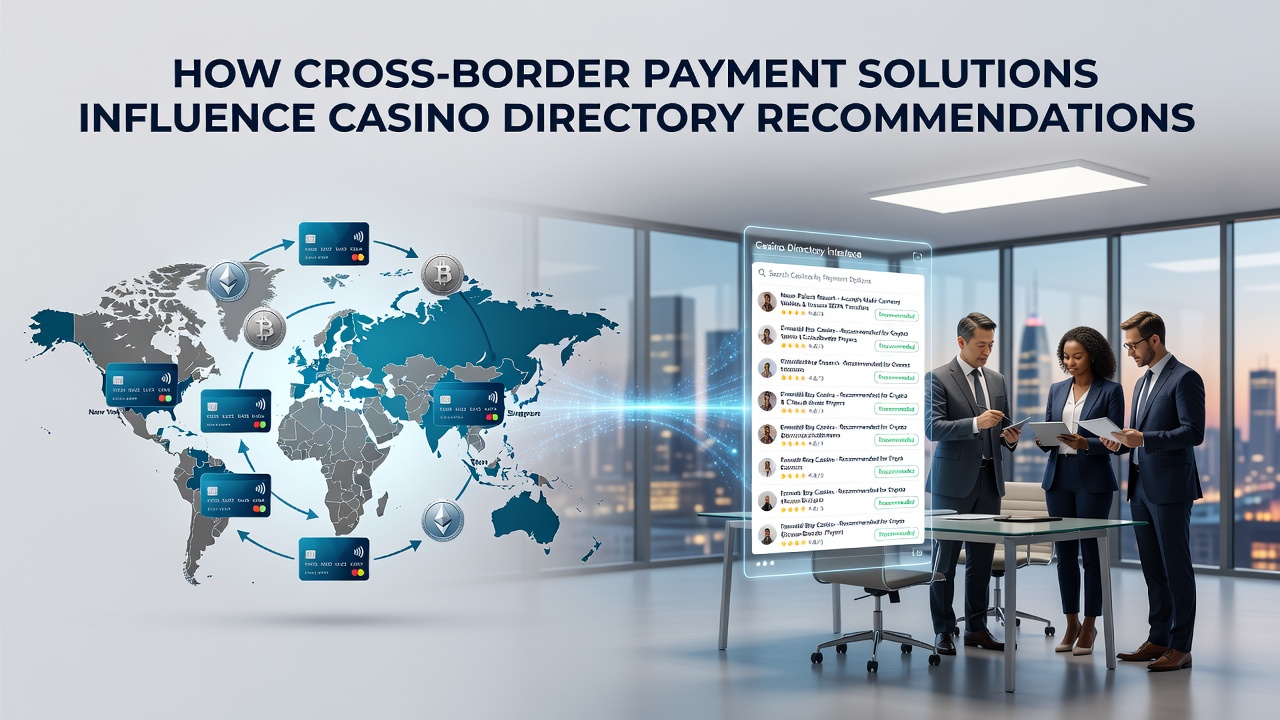
Security protocols represent another key variable. Multi-factor authentication combined with real-time fraud detection tools has become standard for processors serving global audiences, and directories require evidence of these measures during review cycles. Sites that document regular audits from recognized security firms receive more prominent placement because the risk profile for users making large cross-border transfers remains lower.
Regional Preferences and Directory Adaptations
Directories serving international audiences have adapted their recommendation structures to reflect geographic payment preferences. In Latin American markets, directories highlight platforms accepting local bank transfers and popular digital wallets, while listings aimed at North American users emphasize processors with established ties to major credit networks and emerging digital asset options. This segmentation allows a single directory to maintain multiple curated lists without compromising accuracy for any particular region.
Payment method availability also affects how directories categorize operators by license type. Casinos holding multiple licenses can appear in broader recommendation sets when they support the payment rails required in each licensed jurisdiction, whereas single-license sites may remain confined to narrower geographic sections. Those who manage directory databases track these distinctions closely because user queries increasingly specify both game preferences and preferred funding methods.
Conclusion
Cross-border payment capabilities continue to shape which casinos appear in directory recommendations because directories rely on verifiable transaction data to maintain relevance across markets. As processors evolve and regulators introduce new standards, directories update their evaluation frameworks to reflect current capabilities rather than historical listings. Operators seeking consistent visibility must therefore maintain flexible, compliant payment infrastructure that supports users regardless of location.