Resource Aggregation Techniques That Support Rule Mastery in Virtual Poker Environments

Virtual poker environments operate on precise rule frameworks that differ across game variants, and players compile resources systematically to achieve consistent rule mastery, according to industry analyses from multiple regulatory regions. Resource aggregation involves gathering data from rule databases, simulation platforms, and statistical archives into unified systems that support rapid reference and application during play. Observers note that structured collection methods reduce errors in rule interpretation, particularly as platforms update their protocols over time.
Core Components of Resource Aggregation
Players begin by identifying primary sources such as official game specifications published by platform operators and cross-reference them with variant-specific guides maintained in academic gaming studies. Data from these sources gets organized into categorized repositories that separate standard Texas Hold'em protocols from more intricate Omaha and stud rule sets, while automated tagging systems flag updates as they appear in May 2026 platform revisions. Researchers at institutions tracking digital gaming trends have documented how such repositories incorporate probability tables and hand-ranking charts that align directly with the rules enforced on specific virtual tables.
Integration of community-contributed archives follows, where moderated forums and player-maintained wikis supply real-time clarifications on edge cases like betting round interruptions or all-in rule applications. These contributions undergo verification against regulatory filings before inclusion, creating layered datasets that experts cross-check for accuracy across different jurisdictions including those in North America and parts of Asia. The process relies on version control features within aggregation software to maintain historical records of rule changes without introducing conflicts in the compiled materials.
Digital Tools Supporting Systematic Collection
Specialized aggregation platforms allow users to import rulesets from multiple virtual poker sites into a single interface equipped with search functions and rule comparison modules. These tools frequently connect to external APIs provided by game developers, pulling live updates that reflect adjustments scheduled for implementation during periods such as May 2026 when several operators plan interface refreshes. Studies conducted through university gaming research programs indicate that players utilizing these platforms demonstrate improved retention of complex rules compared to those relying on scattered individual documents.
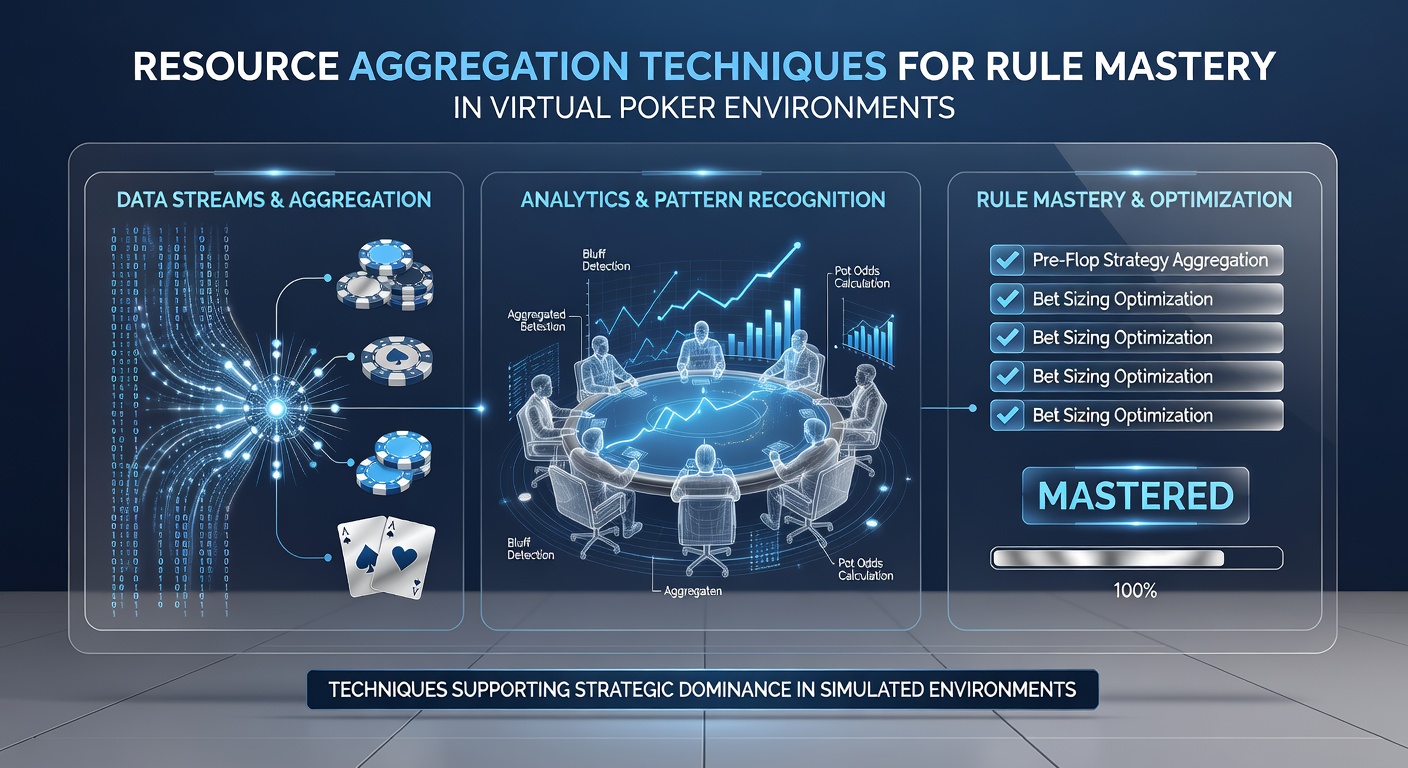
Simulation software forms another critical element, where aggregated rules feed into practice environments that replicate live table conditions. Users test rule applications through repeated scenarios, and the software logs performance metrics that highlight areas requiring further resource refinement. Industry reports from bodies like the Nevada Gaming Control Board show increasing adoption of such combined aggregation and simulation approaches among serious participants in regulated online markets.
Verification and Maintenance Practices
Ongoing verification ensures aggregated resources remain aligned with current rules, involving scheduled audits against official platform documentation and regulatory announcements. Participants often establish alert systems that notify them of revisions, allowing prompt updates to their personal collections before those changes take effect in the virtual environments. Data compiled by organizations monitoring global online gaming reveals that consistent maintenance routines correlate with fewer disputes arising from rule misapplications during multi-table sessions.
Geographic variations in poker regulations add complexity that aggregation techniques address through region-specific filters, enabling users to isolate rules applicable to platforms licensed in particular areas without mixing incompatible guidelines. This filtering capability proves especially useful when operators expand into new markets with distinct compliance requirements.
Conclusion
Resource aggregation techniques continue to evolve alongside virtual poker platforms, incorporating new data streams and verification protocols that support sustained rule mastery. Players who implement organized collection methods gain access to comprehensive, updatable materials that reflect both established protocols and emerging adjustments expected through 2026 and beyond. Regulatory sources and academic tracking efforts confirm the value of these approaches in maintaining accuracy across diverse game formats and operational environments.