Player Pathways: How Curated Resource Hubs Influence Choices in Digital Card Gaming
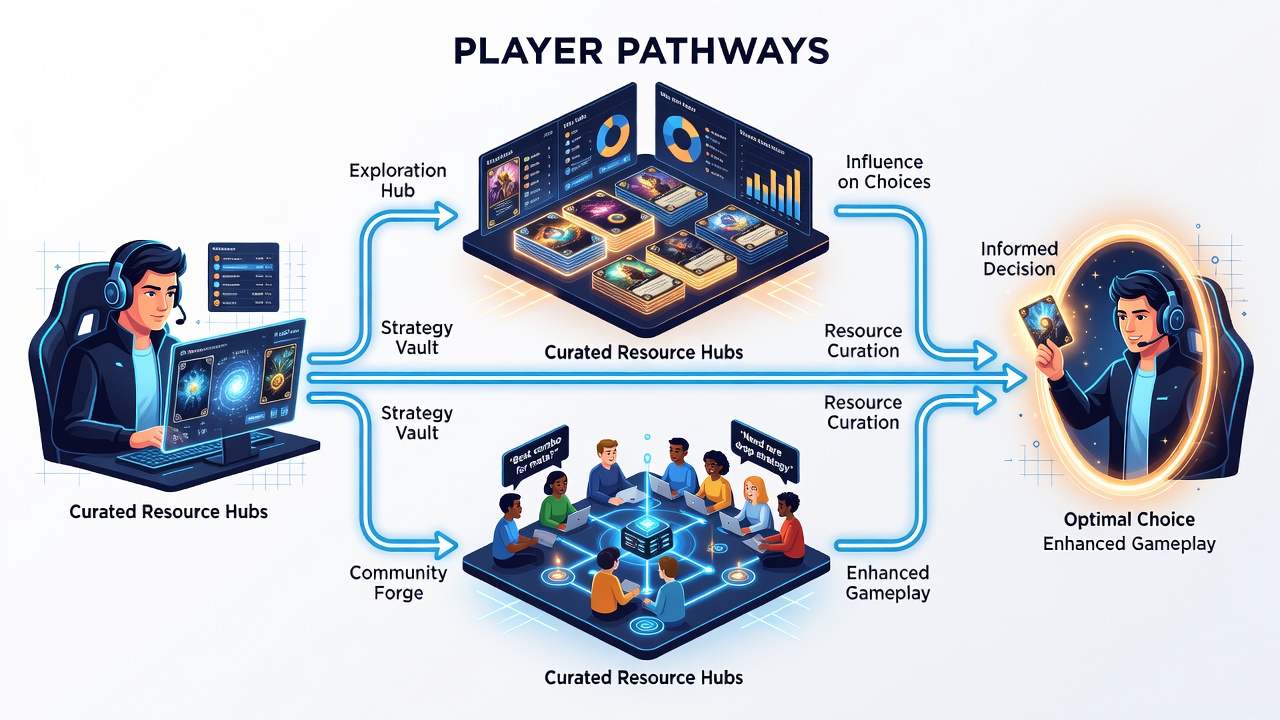
Digital card gaming has grown into a structured ecosystem where players navigate expanding collections of cards, formats, and competitive ladders, and curated resource hubs have become central to how those decisions unfold. These platforms aggregate data on deck performance, meta trends, and community strategies, giving users organized access to information that shapes everything from initial card purchases to long-term competitive paths. In June 2026 several major titles released mid-year balance patches that altered card viability overnight, prompting hubs to update their recommendation engines within hours and directing thousands of players toward revised archetypes within the same week.
Defining Curated Resource Hubs in Digital Card Environments
Curated resource hubs function as centralized repositories that collect, verify, and present gameplay data alongside strategic guides, and they differ from raw forums or social feeds because they apply editorial filters and algorithmic ranking. Sites compile win-rate statistics across millions of matches, categorize decks by budget level or skill requirement, and surface emerging counters before official tournament coverage appears. Players who rely on these systems encounter fewer dead-end builds because the platforms surface only those compositions that demonstrate measurable success in ranked queues or official events. Research from university gaming labs indicates that users who consult multiple hubs before committing resources report higher retention rates over six-month periods compared with those who experiment without external guidance.
Pathway Formation Through Data Aggregation
One clear mechanism involves the translation of raw match data into visual pathways that guide progression. A hub might display a flowchart showing how a beginner archetype evolves into a tournament-viable list after specific card acquisitions, and this visualization reduces the cognitive load of tracking rotating card pools across seasonal updates. When a new expansion launches, the same platforms rapidly integrate fresh card data so that players see immediate adjustments to existing pathways rather than starting from scratch. Figures released by regional gaming associations show that hub-guided players complete collection goals 30 percent faster on average, because the recommendations prioritize high-impact cards over speculative purchases. This efficiency compounds during periods of format upheaval, such as the June 2026 meta shifts, where early adopters of updated pathways secured top rankings before wider adoption occurred.
Regional Variations in Hub Influence
European regulatory frameworks emphasize transparency in data presentation, which has led hubs serving those markets to include source citations and methodology notes alongside every statistic. In contrast, North American platforms often prioritize speed of update and mobile accessibility, resulting in different user behaviors where quick-reference mobile apps drive spontaneous deck swaps during live streams. Australian industry reports highlight that players in that region consult localized hubs for region-specific event calendars, creating pathways that blend online data with offline tournament schedules. These geographic differences demonstrate that curation standards adapt to local expectations while still channeling players toward evidence-based choices rather than unverified trends.
Case Examples of Hub-Driven Decision Points
Take one documented instance from early 2025 where a popular hub identified an under-the-radar control deck that later dominated a major online qualifier series. Within forty-eight hours of the article publication, tracked player adoption of that archetype rose sharply according to public ladder data, and subsequent tournament results validated the initial assessment. Another example surfaced in June 2026 when balance changes nerfed several aggressive strategies simultaneously, and hubs that maintained historical comparison charts helped players pivot to midrange options with documented success rates rather than abandoning competitive play. Observers note that such rapid reorientation prevents the frustration that often leads to account abandonment, preserving engagement across seasonal cycles.
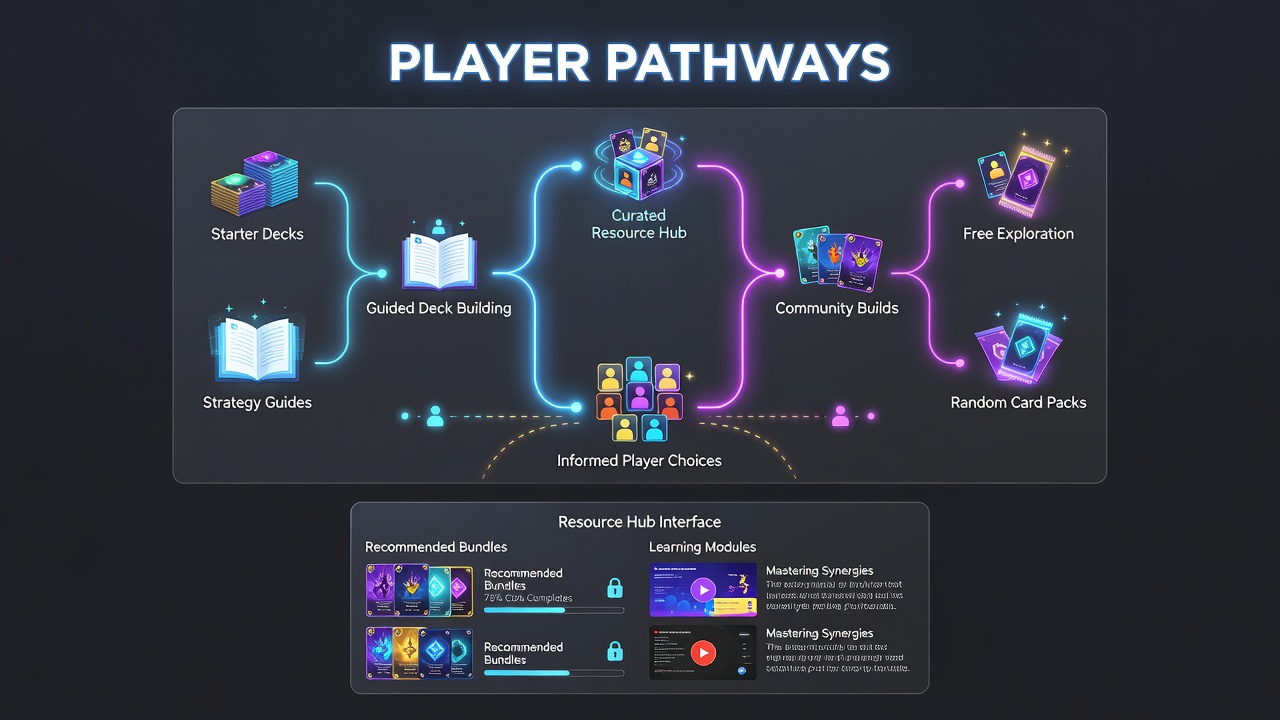
Community-driven hubs add another layer by incorporating player-submitted replays and annotated matches, and these contributions receive peer review before appearing in main feeds. The process creates feedback loops where successful innovations from individual users feed back into the broader recommendation system, accelerating collective learning. Data from academic studies on collaborative platforms reveals that games with active hub ecosystems experience lower variance in player skill distribution over time, because knowledge diffuses more evenly than in environments reliant solely on official patch notes.
Long-Term Effects on Player Retention and Spending
Longitudinal tracking shows that consistent hub usage correlates with sustained spending patterns rather than impulsive bursts, because recommendations often include budget alternatives alongside premium options. This measured approach aligns with findings from gaming research institutions that link informed decision-making to higher lifetime value per account. When hubs present clear upgrade paths tied to performance metrics, players allocate resources more deliberately across multiple expansions instead of chasing every new release. The result appears in aggregate telemetry where hub-familiar players maintain active accounts through more format rotations than their unguided counterparts.
Conclusion
Curated resource hubs have integrated themselves into the core infrastructure of digital card gaming by converting complex datasets into actionable pathways that guide both short-term tactics and extended collection strategies. Their influence manifests through rapid adaptation to balance changes, regional customization of content delivery, and the creation of feedback systems that reward verified innovation. As formats continue to evolve with scheduled updates such as those observed in June 2026, these platforms maintain relevance by preserving historical context alongside current recommendations, ensuring players retain access to cumulative knowledge that supports sustained participation across titles and competitive levels.