Player Habit Shifts Observed in Specialized Table Game Aggregation Services
Mia Peters · Aug 2, 2026
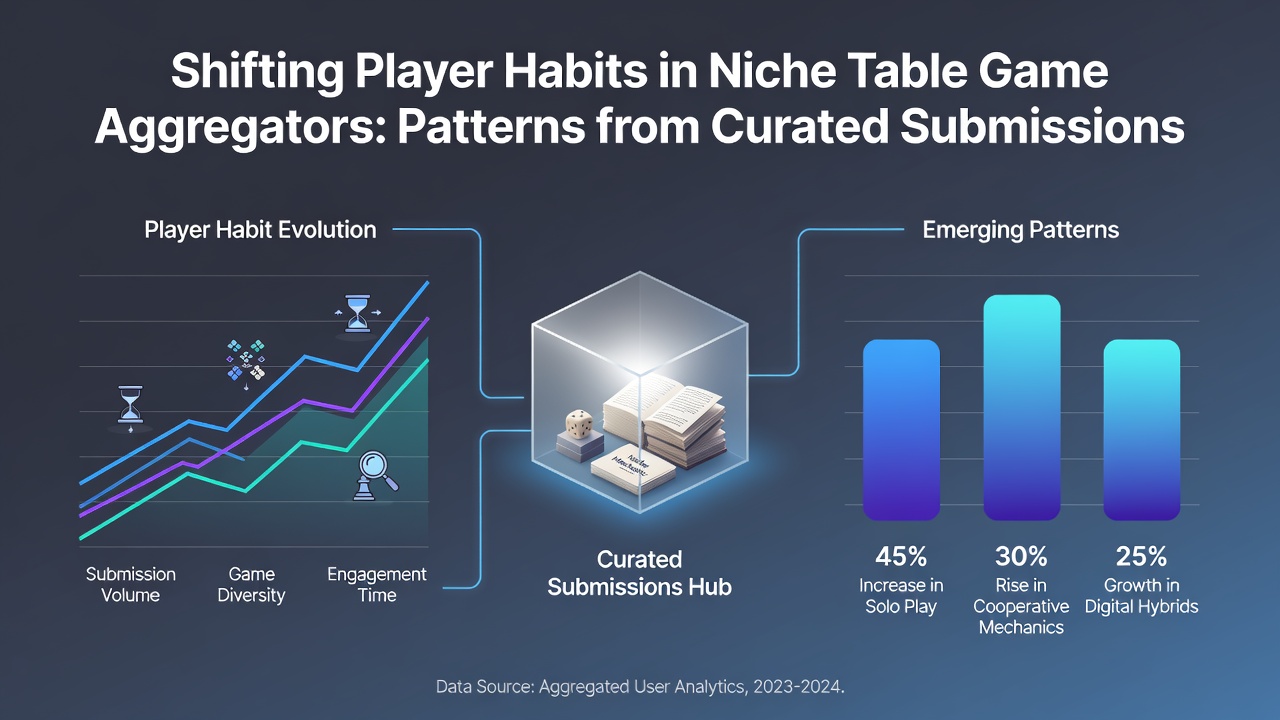
Player Habit Shifts Observed in Specialized Table Game Aggregation Services
Initial Observations from Submission Data
Specialized table game aggregation services collect user contributions that reveal evolving engagement patterns, and data compiled through August 2026 shows increased activity in mobile-optimized sessions alongside traditional desktop access points while players submit preferences for faster loading variants of classics such as blackjack and baccarat. Researchers tracking these submissions note that contributions often highlight shorter play durations per session compared with earlier periods, yet overall participation rates have risen in platforms that curate selections from multiple providers rather than single-source offerings.
Curated submissions further indicate that users increasingly reference integration with live dealer streams as a deciding factor when choosing which aggregators to frequent, and this trend appears in entries from both established markets and emerging regions where regulatory frameworks have expanded access to licensed operations.
Regional Variations in Engagement Patterns
Submissions originating from North American users frequently mention preference shifts toward aggregators that bundle table games with responsible play tools, whereas contributions from European sources emphasize variety in rule modifications and side bet options. According to figures released by the American Gaming Association, mobile table game traffic within aggregated platforms grew by double-digit percentages in the first half of 2026, aligning with patterns described in user submissions that detail seamless transitions between portrait and landscape modes during extended sessions.
Observers tracking similar data from Canadian provincial regulators have documented parallel increases in submissions that reference time-limit features and deposit caps as standard expectations, suggesting these elements now influence platform selection more than promotional bonuses alone.
Content Themes Emerging from Curated Inputs
Analysis of curated submissions demonstrates recurring references to hybrid experiences that combine automated table games with occasional live dealer interactions, and participants describe these formats as reducing fatigue while maintaining social elements that pure RNG options sometimes lack. Patterns also surface around accessibility adjustments, including customizable interface sizes and audio cue modifications, which appear in contributions from users who report longer cumulative play times when such features are present.
What's interesting is how submissions cluster around specific game categories, with roulette variants receiving disproportionate mentions in entries focused on volatility preferences, while poker table hybrids surface more often in discussions of skill-influenced outcomes within aggregator environments.
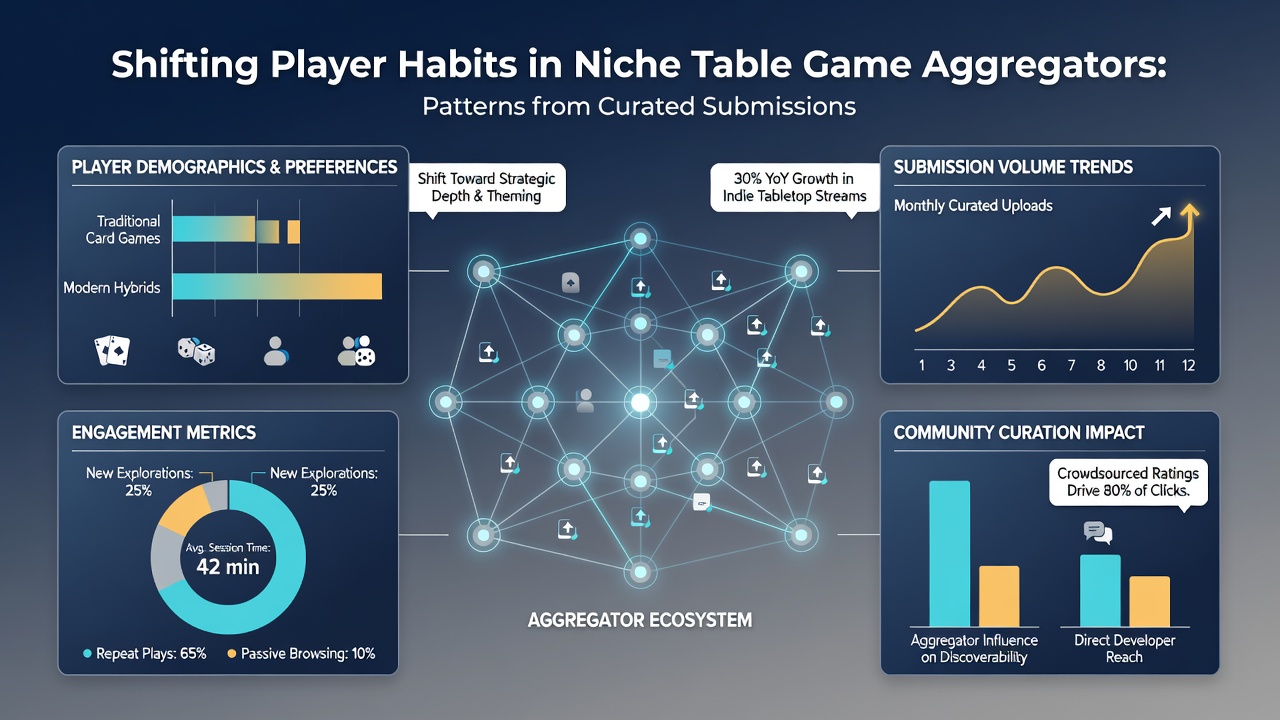
Influence of Submission Volume on Platform Adjustments
Aggregators that actively incorporate feedback from curated submissions have adjusted their catalogs to prioritize games with higher user ratings for fairness transparency, and this response correlates with sustained submission activity in subsequent periods. Data from academic reviews conducted at institutions such as the University of Nevada, Las Vegas, indicate that platforms responding to these patterns experience measurable retention improvements, particularly when updates address latency issues flagged in user contributions.
Yet submissions also reveal friction points around payment processing speeds and withdrawal verification timelines, prompting several services to streamline verification workflows as direct responses to recurring comments within their curated collections.
Future Indicators Drawn from Ongoing Contributions
Continued monitoring of submission trends through late 2026 suggests growing interest in aggregators that support cross-device progression, allowing players to resume sessions without loss of state across different hardware. Contributions increasingly reference environmental considerations such as reduced data usage modes, reflecting broader awareness among participants who submit entries from regions with variable connectivity infrastructure.
These evolving inputs provide platforms with actionable signals for feature development, and the volume of curated submissions continues to serve as a reliable barometer for measuring which habit shifts gain lasting traction versus those that represent temporary fluctuations.
Conclusion
Patterns extracted from curated submissions within niche table game aggregators illustrate measurable changes in session length, device preference, and feature expectations that have developed through August 2026. Platforms that systematically review and respond to these contributions position themselves to align with documented user behaviors, while ongoing data collection from diverse geographic sources supplies additional context for interpreting which shifts represent durable trends and which may recede as new options emerge.