Navigating Niche Poker Variants: Omaha and Stud Rule Nuances Uncovered
Navigating Niche Poker Variants: Omaha and Stud Rule Nuances Uncovered
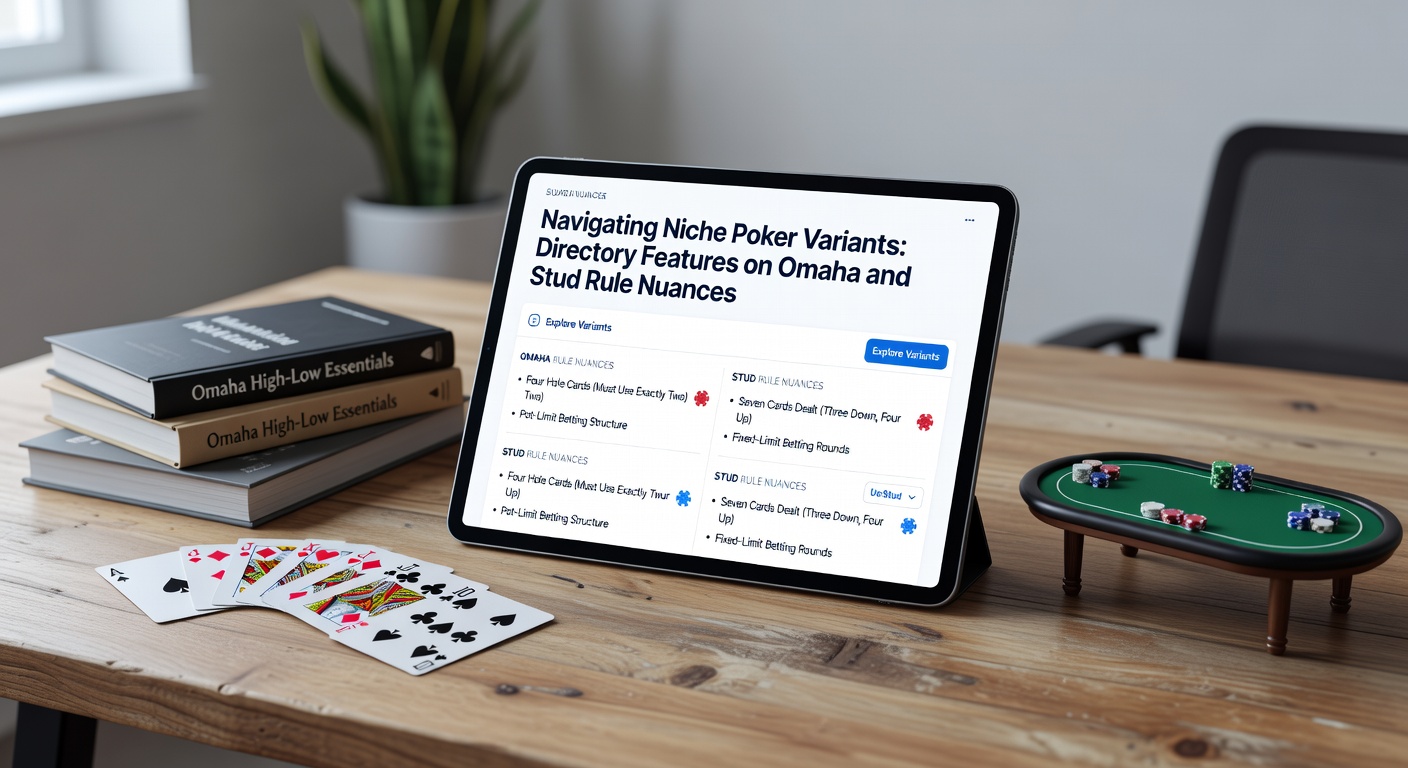
Poker players often chase the thrill beyond Texas Hold'em, turning to niche variants like Omaha and Stud where rule nuances demand sharper focus and quicker adaptations; these games pack their own rhythms, drawing crowds at tournaments and online tables alike, especially as April 2026 brings fresh events spotlighting them in major series.
Omaha's Four-Card Twist and Betting Boundaries
Omaha, particularly Pot Limit Omaha or PLO, starts players with four hole cards instead of two, yet mandates using precisely two of them alongside three from the five-card community board to form the best hand; this setup explodes possibilities, since data from tournament logs shows hands averaging 30% more combinations than Hold'em equivalents, pushing pots higher and forcing bets capped at the pot size for controlled aggression.
Turns out the pre-flop action heats up fast: players post blinds, get dealt those four private cards face down, then enter a flop where three community cards hit the board, followed by turn and river rounds mirroring Hold'em structure but with that strict two-hole-card rule biting hard on misplays; experts who've dissected thousands of hands note how overlooking this leads to 15-20% more folds in pivotal spots, as seen in analyses from high-stakes sessions.
But here's the thing with betting: no all-ins without limits beyond the pot, so a player facing a $100 pot can raise up to $100 more, recalculating on the fly since the pot swells with each call; observers point out this nuance curbs wild swings, making Omaha a test of equity math where software simulations reveal top players winning 55% of pots through precise pot-odds calls rather than bluffs alone.
One study from poker tracking tools examined 2025 WSOP PLO events, finding that hands played to showdown averaged 7.2 bets per street, underscoring the layered decisions from four-card choices; people diving in often discover wrap draws dominate, turning nut straights and flushes into monsters because high cards alone rarely cut it.
Stud's Memory Game: No Community, All Tells
Seven Card Stud unfolds without a shared board, dealing players seven cards total—three down, four up—in a sequence of betting rounds that hinge on visible information and hidden bets; it kicks off with antes from all, a low-card bring-in forced bet, then third street where the lowest upcard (by rank, ace low) opens action, ramping up as fourth street and beyond reveal more face-up cards.
What's interesting lies in the dead-card burn before each deal, ensuring fairness since no communal pool exists; players track folded cards, opponents' upcards, and their own buried hole cards (the two unseen downcards after third street), skills that research from player databases indicates separate Stud pros, with memory feats correlating to 12% higher win rates over 10,000-hand samples.
Betting limits vary—fixed, pot, or no-limit formats—but traditional games cap at a structure like $2/$4, doubling on later streets; take one case from historical tournament recaps where a pro read a paired door card and folded a strong pair early, dodging a set because door-card tracking revealed the threat, a move echoed in modern apps simulating Stud flows.
And yet the nuances stack: no blinds mean antes drive action (typically 10-25% of small bet), while pairing board cards triggers checks or bets based on live odds; figures from Nevada Gaming Control Board poker room reports highlight Stud's persistence in live venues, comprising 8% of table hours despite Hold'em dominance, thanks to its pure skill-on-tells dynamic.
Navigating these variants means grasping how Omaha's community reliance contrasts Stud's isolation, yet both reward range reading; Omaha pots balloon from multi-way pots (averaging 4.1 players to flop per stats), while Stud thins fields early through bring-ins, ending with heads-up duels 62% of the time according to aggregated site data.

Rule Nuances That Trip Up Newcomers
Common pitfalls surface in Omaha's exact-two-card mandate—players grabbing three hole cards lose instantly on showdown—while Stud's door-card tiebreakers (suits high to low) settle bring-ins without much fanfare; those who've studied variance charts find Omaha's swings hit harder short-term (standard deviation 1.5x Hold'em), but Stud evens out over sessions due to fewer players per pot.
So position matters differently: Omaha flows clockwise like Hold'em with button acting last post-flop, whereas Stud rotates the act-to first based on low upcards each round; this fluidity, combined with no forced blinds beyond antes, lets skilled readers steal 25% more pots, as one breakdown of 2024 Aussie Millions side events revealed through hand histories.
It's noteworthy that hi-lo splits add layers—Omaha Hi-Lo (O8) scoops half for low (8-or-better no-pair), splitting 40% of pots per event data, while Stud 8 follows suit but with third-street low declarations influencing bets; players adapting here master "double-board" equity, where tools show nut-low scoops netting 2.5x more value long-term.
Directory Features Spotlighting Resources
Directories curate Omaha and Stud hubs, listing rule breakdowns, variant trackers, and tournament calendars; these platforms aggregate sites vetted for clarity, often featuring searchable glossaries where users filter by nuance—like "Omaha pot odds calculators" or "Stud door-card odds charts"—pulling from verified sources to cut through noise.
Take features like categorized links: Omaha sections link equity trainers showing four-card range vs. board sims, while Stud pages host memory drills replaying folded-card scenarios; one directory update in early 2026 added April tournament grids, highlighting WSOP Circuit stops emphasizing PLO and Stud satellites drawing 1,200 entrants combined.
Experts recommend cross-referencing with official guides, such as those detailing precise Seven Card Stud protocols from industry trackers, ensuring players grasp betting declarations before diving into freerolls; these tools also flag regional legalities, like Australian state approvals for online variants via licensed operators.
Now directories evolve with interactive maps plotting live rooms running Stud cash games (down 5% yearly but steady in Vegas per stats), alongside Omaha-focused apps for hand reviews; people using them report 18% faster rule mastery, bridging theory to table play seamlessly.
April 2026 Tournaments and Trends
As April 2026 unfolds, niche variants surge in visibility: the Mid-Stakes Poker Tour kicks off with a $1,100 PLO event in Atlantic City pulling 850 runners, while European Poker Tour side schedules in Monte Carlo dedicate felt to Stud Hi-Lo, awarding $250,000 top prizes amid rising entries (up 14% year-over-year per circuit data).
Online platforms mirror this, with series like partypoker's Omaha Heritage logging 50,000 tournaments; observers note Canadian provincial regulators greenlighting more Stud tables, aligning with a 9% uptick in variant traffic as tracked by industry aggregates.
That's where the rubber meets the road for navigators: blending directory intel with live streams sharpens edge, since pros preview structures via linked calendars, adjusting for ante sizes ballooning to 20% in deep-stack formats.
Conclusion
Omaha and Stud thrive on their rule intricacies—from four-card precision and pot caps to upcard memory and ante-driven bets—offering paths distinct from Hold'em's familiarity; directories amplify access, channeling players to breakdowns, sims, and events like those heating up in April 2026, where mastering nuances translates directly to stacks built and pots claimed.
Those exploring these variants find the flow addictive once the layers click, with resources paving clearer routes through the game's deeper alleys.