Mapping User Navigation Patterns Through Curated Gaming Resource Indexes
Riley Wagner · Aug 16, 2026
Mapping User Navigation Patterns Through Curated Gaming Resource Indexes
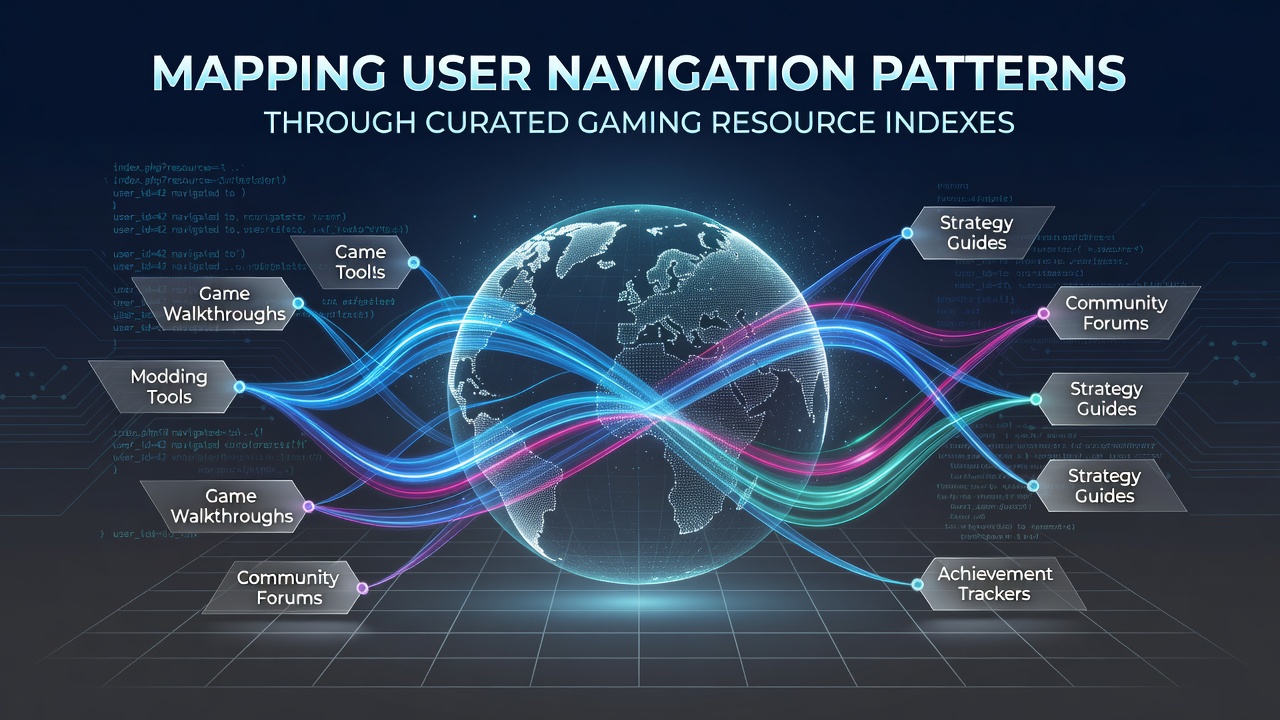
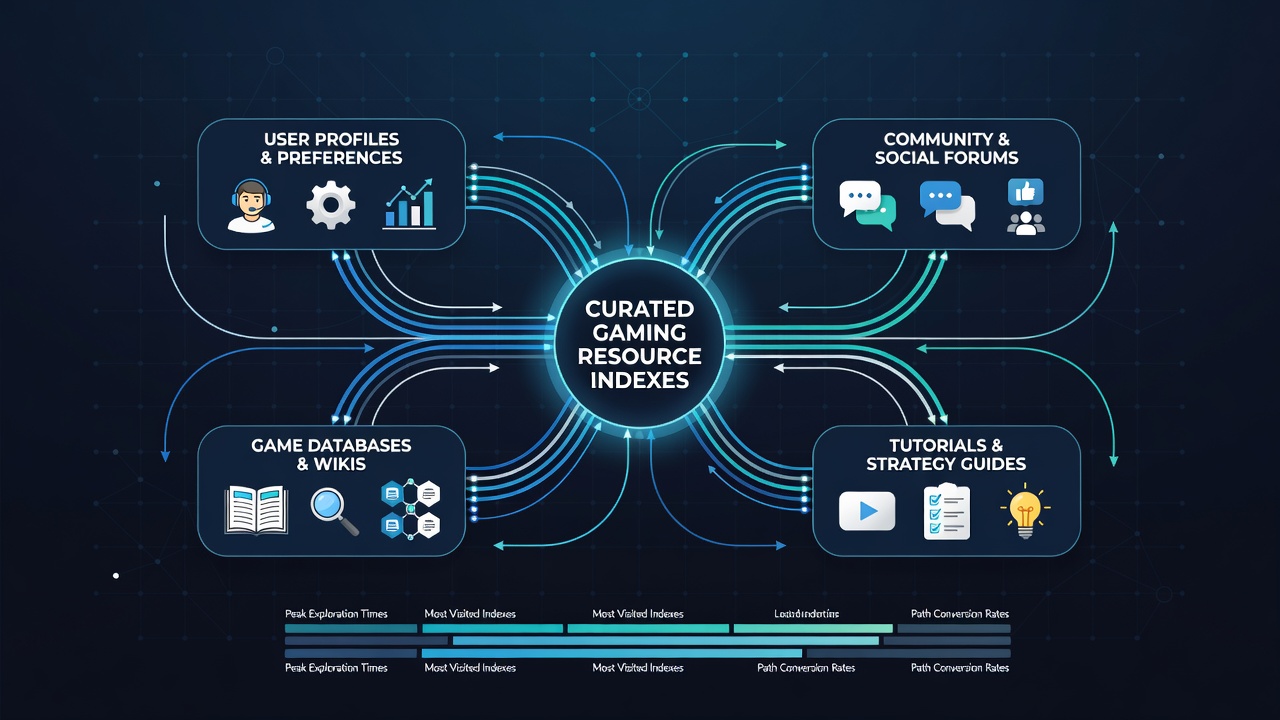
Curated gaming resource indexes organize links, reviews, and data points into accessible categories that allow researchers to track how visitors move from one section to another. These indexes collect metadata on entry points, dwell times, and exit routes while users explore topics such as game rules, platform comparisons, and regulatory updates. Data from server logs and client-side scripts reveal patterns that repeat across thousands of sessions each month.
Core Components of Navigation Mapping
Analysts begin by defining nodes within an index where each node represents a distinct page or subsection such as beginner guides, jurisdiction-specific rules, or software provider listings. Edges connect these nodes whenever a user follows a hyperlink or uses internal search. Heatmap overlays and session recordings capture scroll depth and click coordinates so that repeated pathways stand out against random browsing. In August 2026 several large indexes reported that users who entered through a rules section proceeded to platform reviews 62 percent of the time before leaving, whereas direct arrivals at review pages showed higher bounce rates within the first 15 seconds.
Data Collection Methods and Tools
Server-side logging records referrer URLs, timestamps, and user-agent strings while client-side libraries measure mouse movements and form interactions without storing personally identifiable information. Open-source frameworks allow index operators to export anonymized event streams to analytics platforms that apply sequence-mining algorithms. These algorithms identify frequent subsequences such as “rules page to comparison table to external sign-up link.” External validation comes from academic partners who cross-reference the same event streams against survey responses collected from volunteer panels.
One study conducted by researchers at the University of Nevada Las Vegas examined navigation logs from three North American indexes over a six-month window and found that mobile sessions generated 38 percent more back-button presses than desktop sessions, indicating that smaller screen layouts sometimes obscure secondary navigation elements. A separate report issued by the Canadian Centre on Substance Use and Addiction examined similar datasets and noted that visitors from regulated provinces tended to linger longer on licensing verification pages before moving onward.
Regional Variations in User Pathways
European indexes that incorporate EU consumer-protection directives show distinct routing compared with Australian counterparts that emphasize harm-minimization resources. Visitors in Germany frequently move from regulatory summaries directly to self-exclusion toolkits, whereas users in New South Wales more often follow links from game-rule pages to responsible-gambling helplines. These differences appear in aggregated flow diagrams that index administrators publish quarterly.
Industry groups such as the International Association of Gaming Regulators have begun publishing standardized event schemas that make cross-border comparisons easier. When indexes adopt the same schema, analysts can merge datasets and run cluster analysis that groups users by behavioral signatures rather than by geographic origin alone.
Practical Applications for Index Curators
Curators use the resulting maps to reposition high-value resources closer to common entry points and to retire underused categories. They also test A/B variants of menu structures and measure whether new layouts shorten the median steps required to reach a specific destination. One index operator in Ontario reported that after reorganizing a mobile menu based on navigation heatmaps the average path length to licensing verification dropped from 4.7 clicks to 3.1 clicks within two weeks of deployment.
Academic teams sometimes request access to these anonymized maps for studies on information-seeking behavior. The resulting papers appear in journals focused on human-computer interaction and digital library science, providing feedback loops that improve both theoretical models and practical index design.
Challenges and Limitations
Privacy regulations limit the granularity of stored identifiers, so longitudinal tracking across multiple visits remains difficult unless users opt in. Bot traffic can inflate certain pathways, requiring additional filtering steps before analysis. Seasonal events such as major sporting tournaments temporarily shift traffic toward live-event sections and then back to baseline patterns once the events conclude.
Despite these constraints, the combination of server logs, client instrumentation, and periodic user surveys continues to yield reliable indicators of how people traverse curated gaming resource indexes. Continued refinement of event schemas and analytic techniques supports clearer visibility into collective navigation behavior across different regions and device types.
Conclusion
Mapping user navigation patterns through curated gaming resource indexes supplies index operators and researchers with measurable evidence of how audiences locate and consume information. The methods rely on standardized logging, sequence analysis, and cross-validation with external studies from institutions such as the University of Nevada Las Vegas and the Canadian Centre on Substance Use and Addiction. As indexes incorporate more granular event schemas and regional datasets expand, the resulting maps become increasingly useful for layout optimization and scholarly inquiry while remaining compliant with privacy requirements.