Mapping Digital Trails: How Directory Searches Guide Players to Online Poker Platforms
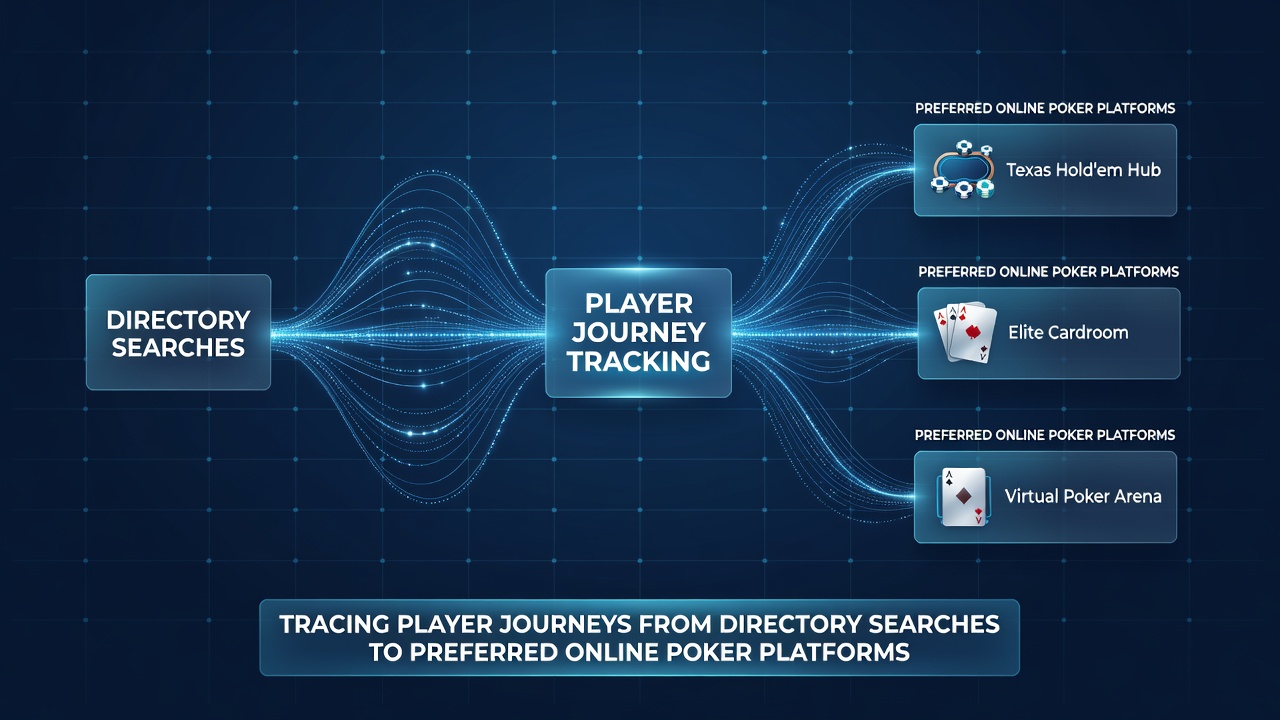
Players often begin their exploration of online poker by entering queries into specialized directories that aggregate listings of platforms, rules, and resources, and this initial step sets the foundation for subsequent decisions about where to engage with games. Directories function as centralized hubs where individuals compare features such as game variety, bonus structures, and security protocols before narrowing options to preferred sites, while data from industry tracking shows that search patterns frequently involve filters for regulated environments and user reviews.
Initial Search Patterns in Gambling Directories
Research indicates that directory searches typically start with broad terms like "online poker platforms" or "real money poker sites," and these queries evolve as users apply criteria such as licensing jurisdiction, payment method compatibility, and mobile accessibility. Observers note that many individuals refine their searches by location-specific regulations, for instance focusing on platforms compliant with standards from the Nevada Gaming Control Board when based in the United States or aligning with Australian Communications and Media Authority guidelines when operating from that region. Data shows peak activity during evening hours across time zones, with users spending an average of several minutes reviewing multiple entries before bookmarking or clicking through to external sites.
The Transition from Discovery to Evaluation
Once results appear, players examine detailed profiles within directories that include ratings, payout percentages, and software providers, and this evaluation phase often incorporates cross-referencing with external forums or regulatory databases. Studies found that transitions accelerate when directories highlight verified licenses or recent audit reports, leading users to shortlist three to five platforms for deeper investigation. What's interesting is how traffic logs reveal that direct clicks from directory listings account for a substantial portion of new registrations on poker sites, whereas indirect paths through search engines tend to involve additional verification steps before commitment.
Factors Shaping Platform Preferences
Preferences emerge from a combination of practical elements including deposit speed, customer support availability, and tournament frequency, and research from academic sources such as reports by the University of Las Vegas International Gaming Institute demonstrates correlations between directory-highlighted features and final selections. Players who prioritize high-stakes cash games frequently gravitate toward platforms with established reputations for liquidity, while those exploring casual formats may choose sites emphasizing lower entry barriers and beginner-friendly interfaces. Evidence suggests that trust signals like SSL encryption mentions and third-party fairness certifications play decisive roles during this stage, with many users abandoning directories that lack transparent information on these aspects.
June 2026 brought updates to several directory indexes reflecting new platform launches and regulatory shifts in multiple jurisdictions, and these changes influenced search behaviors as players sought out compliant options amid evolving compliance requirements. Figures reveal increased interest in platforms integrating advanced responsible gaming tools during this period, with directory filters for self-exclusion features seeing heightened usage.

Pathways to Retention and Long-Term Engagement
After initial platform selection, journeys continue through onboarding processes where players test interfaces via demo modes or low-stakes tables, and successful transitions often depend on seamless integration with preferred banking options. Those who've studied user flows note that retention improves when platforms deliver on promises outlined in directory descriptions, such as consistent bonus fulfillment and responsive dispute resolution. Case examples include instances where players migrated from one site to another after directory updates flagged superior software performance or expanded game libraries, illustrating how directories serve not only as discovery tools but also as ongoing reference points.
Emerging Trends in Player Navigation
Analytics indicate growing reliance on mobile-optimized directory interfaces that allow instant comparisons across devices, and this shift coincides with broader industry adoption of progressive web apps for poker clients. External links to resources like those provided by the European Gaming and Betting Association offer supplementary data on market segmentation that players sometimes consult during decision-making. But here's the thing: directories that incorporate real-time availability metrics for tables and player pools tend to retain higher engagement rates, guiding users more effectively toward platforms matching their activity levels and preferred variants such as Texas Hold'em or Omaha.
Conclusion
Tracing these journeys reveals a structured progression where directories act as gateways that streamline access while embedding critical evaluation criteria, and continued monitoring of search behaviors promises further insights into how players ultimately settle on favored online poker environments. Regulatory developments and technological enhancements will likely refine these pathways further in coming periods.