Link Directory Analytics Uncover Evolving Trends in Online Casino Site Visibility
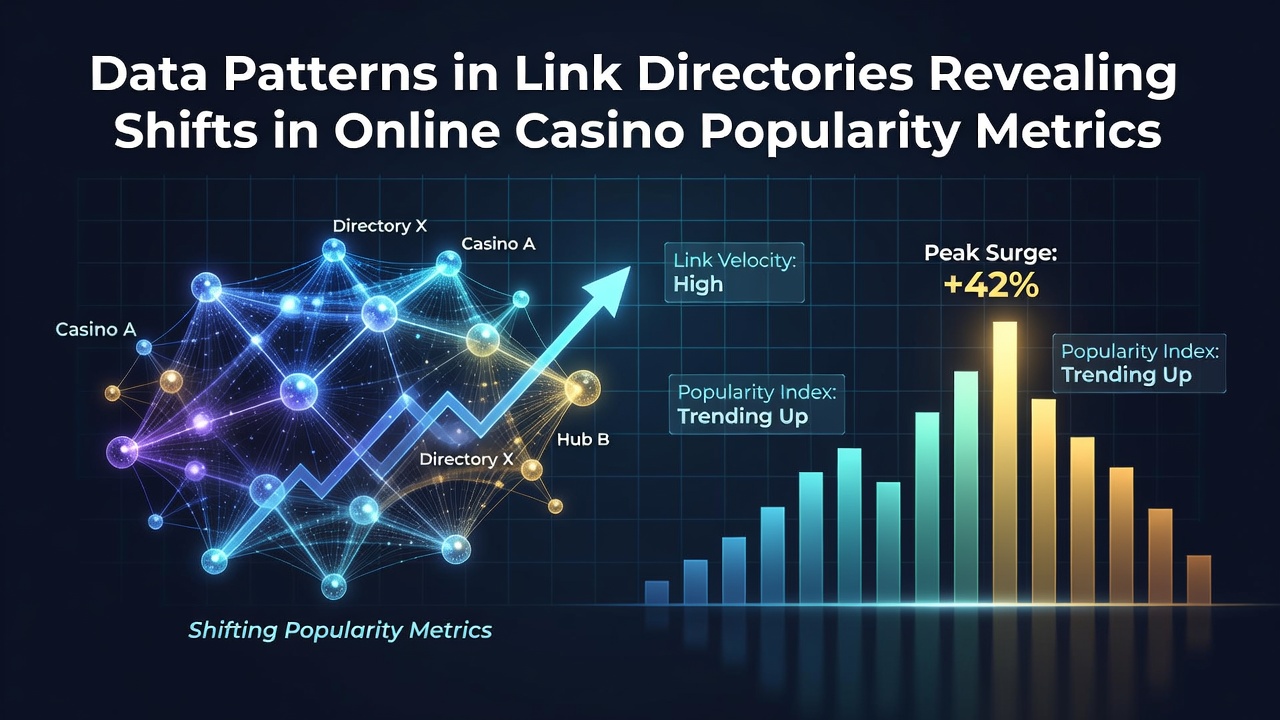
Link directories function as structured repositories where websites submit and categorize outgoing connections to online casino platforms, and analysts track these listings to identify broader shifts in site visibility and user interest patterns. Data from such directories shows how casino operators gain or lose prominence through changes in link volume, category placements, and regional targeting during periods like July 2026.
Core Mechanics of Link Directory Data Tracking
Directories compile entries based on submission dates, anchor text variations, and categorical groupings that separate slots-focused sites from those emphasizing table games or live dealer options. Researchers examine these records to measure how frequently specific casino domains appear across multiple listings, which reveals growth trajectories without relying on direct traffic measurements.
Patterns emerge when new entries cluster around certain operators while older listings for others stagnate or disappear entirely. Observers note that directories update their indexes at irregular intervals, so cumulative counts over months provide more reliable indicators than single snapshots.
Patterns Detected in Mid-2026 Directory Records
Analysis of entries compiled through July 2026 indicates increased listings for platforms offering integrated mobile applications, with a noticeable rise in links pointing to operators based in regulated markets outside traditional European hubs. Data shows a corresponding decline in directory placements for sites focused primarily on desktop browser play, as fewer new submissions reference those domains.
Those who've examined multi-year archives find that link density correlates with promotional activity spikes, such as tournament launches or bonus campaigns that prompt directory owners to add fresh references. This correlation holds across different geographic segments, though the strength varies by region and regulatory environment.
Regional Variations in Link Distribution
North American-focused directories recorded higher addition rates for Ontario-licensed operators compared with earlier periods, while Asia-Pacific entries showed growth in links to platforms compliant with Australian regulatory standards. European directories meanwhile displayed steadier but slower growth, with emphasis shifting toward sites that incorporate responsible gaming tools as a listed feature.
According to figures from the Alcohol and Gaming Commission of Ontario, the number of active iGaming licenses expanded notably by mid-2026, aligning with the observed increase in directory references. Similar alignment appears in reports from the Australian Communications and Media Authority, which documented rising compliance filings for interactive wagering services during the same timeframe.
Methodological Considerations in Pattern Analysis
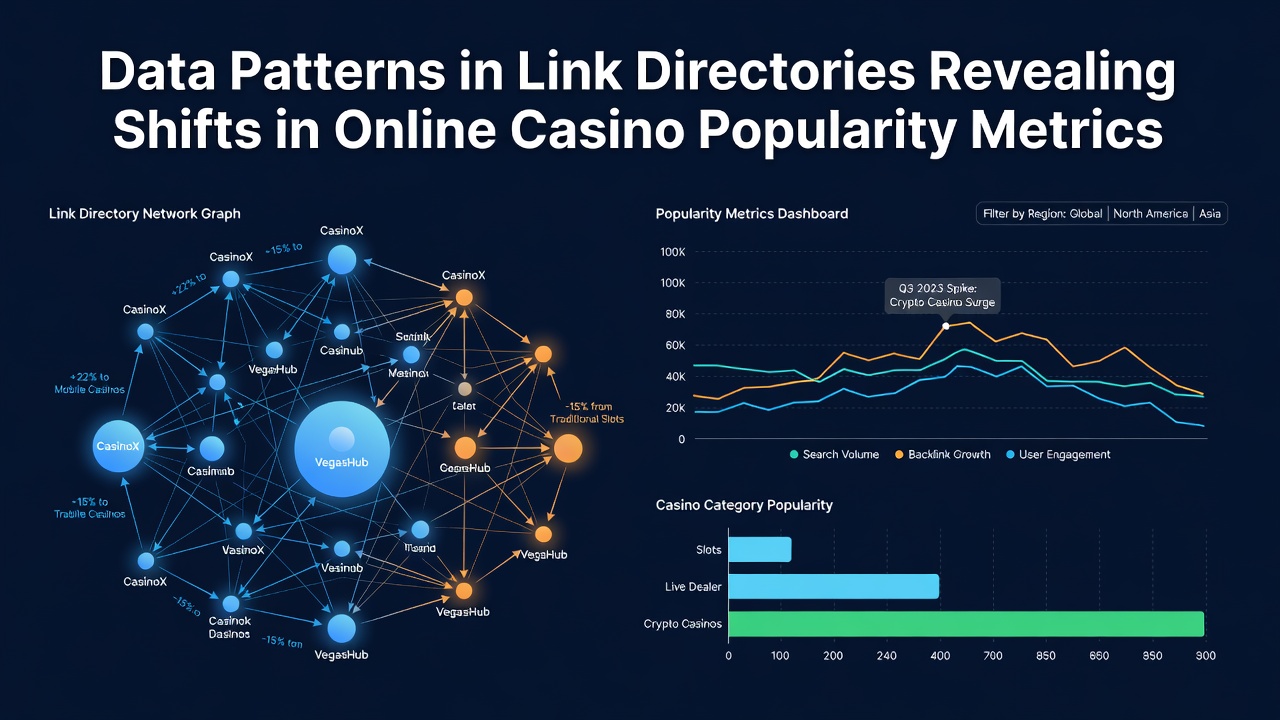
Analysts apply filters to exclude duplicate submissions and self-referential links before calculating popularity proxies. They cross-reference directory timestamps with public launch announcements to determine whether new listings precede or follow marketing pushes. This approach helps isolate organic visibility gains from coordinated link-building efforts.
Studies conducted by independent research groups indicate that directories with stricter editorial review processes produce cleaner datasets for trend identification. Less moderated collections require additional cleaning steps to remove spam entries that inflate counts without reflecting genuine interest shifts.
Connections Between Directory Metrics and Broader Industry Data
Link volume changes often precede measurable movements in other indicators, such as search ranking improvements or affiliate program expansions. Directory data therefore serves as an early signal source for researchers monitoring how casino operators adjust their online presence in response to regulatory updates or technological developments.
One study revealed that operators appearing in multiple category sections within the same directory tend to maintain higher retention rates in subsequent listing periods. This multi-category presence suggests diversified game offerings that appeal to broader user segments tracked through directory submissions.
Conclusion
Directory analytics continue to supply objective indicators of how online casino visibility evolves across different markets and timeframes. Patterns observed through July 2026 demonstrate consistent relationships between link accumulation, regulatory compliance, and platform feature emphasis. Continued monitoring of these structured sources will support further examination of industry dynamics as new data accumulates.