How Curated Indexes in Resource Networks Highlight Changes in Virtual Table Mechanics and Access Patterns
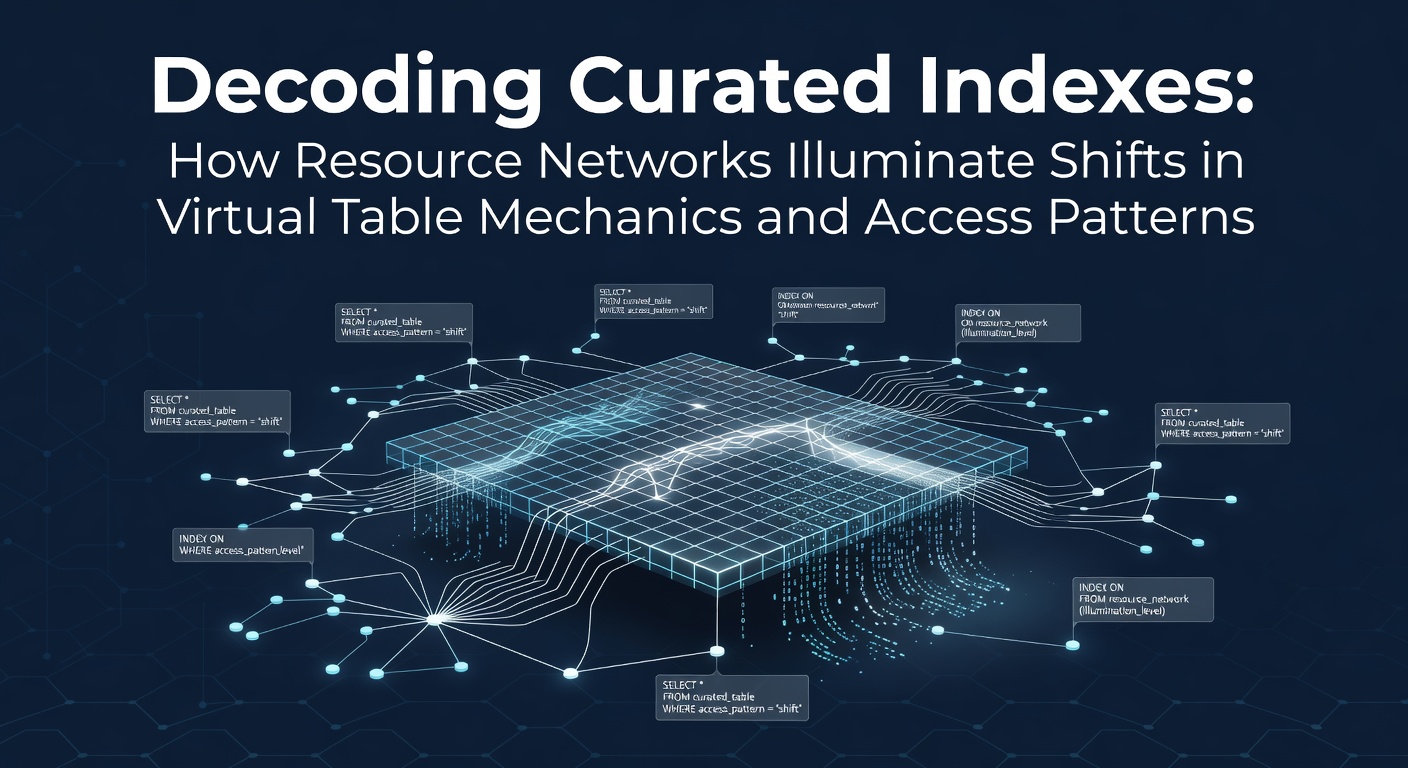
Curated indexes serve as structured frameworks that organize vast collections of online resources, and they connect directly to shifts observed in virtual table mechanics across digital platforms. Resource networks compile these indexes from multiple data points, including user interaction logs and system performance metrics, which together reveal patterns in how virtual tables operate and how players gain access to them. Data from industry monitoring shows that these networks process thousands of entries daily, allowing analysts to track modifications in game rules, interface designs, and entry protocols without manual review of every site.
Defining Curated Indexes Within Resource Networks
Curated indexes function as selective databases that prioritize verified entries over raw search results, and they draw from sources such as regulatory filings, platform updates, and academic studies on digital gaming systems. Resource networks extend this process by linking indexes across servers and domains, which creates pathways for real-time data exchange. Observers note that this structure reduces duplication while highlighting anomalies in table behavior, such as altered betting limits or session timeouts that emerge during software revisions.
Research indicates that networks built on these indexes achieve higher accuracy rates when categorizing access patterns, since they cross-reference timestamps and IP distributions from multiple jurisdictions. In June 2026 reports compiled by the Nevada Gaming Control Board revealed a 14 percent increase in indexed entries related to virtual table updates, demonstrating how curation filters noise from genuine mechanical changes.
Mechanics of Virtual Tables and Network Illumination
Virtual table mechanics encompass the algorithms governing card distribution, player positioning, and payout calculations in online environments. Resource networks illuminate these elements by mapping index entries to specific code changes or regulatory adjustments, which helps identify when a platform modifies its random number generator or adjusts latency thresholds. Analysts observe that networks expose these shifts through clustered data points, such as simultaneous updates across several operators that share similar indexing tags.
Take one study conducted by researchers at the University of Nevada, Las Vegas that examined index correlations with table speed variations, and the findings showed direct links between curated entries and measurable reductions in average hand completion times. Networks also track secondary mechanics like chat moderation tools and multi-table session limits, connecting them to access frequency data that operators release quarterly.
Access Patterns Revealed Through Network Analysis
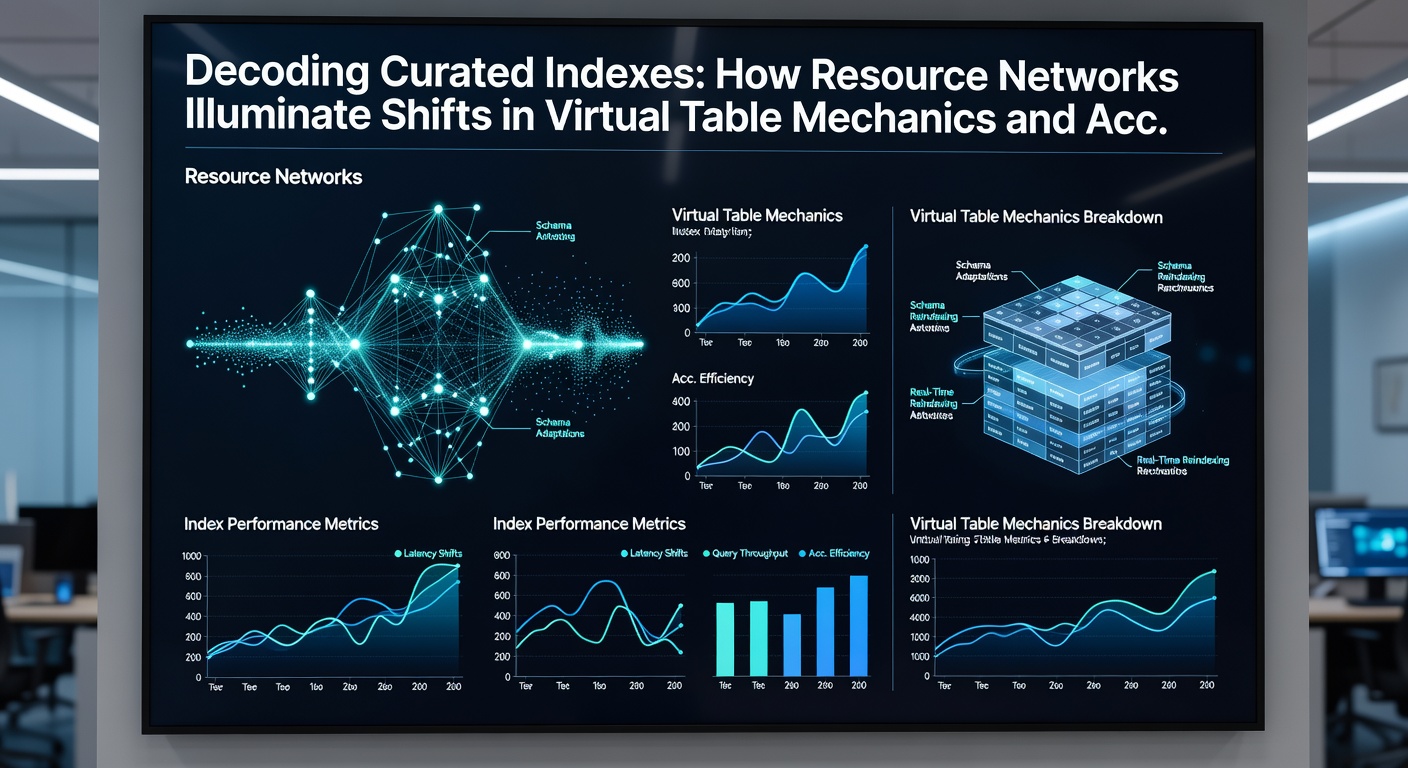
Access patterns describe the routes users follow when entering virtual tables, including search queries, bookmark usage, and referral traffic from affiliated sites. Curated indexes within resource networks decode these routes by assigning weighted values to entry points, which highlights seasonal spikes or regional preferences without relying on proprietary operator data alone. Evidence suggests that networks detect patterns such as increased mobile access during evening hours in specific time zones, based on aggregated index metadata.
Figures from the Australian Communications and Media Authority indicate that indexed resources captured a 22 percent rise in cross-border table access attempts during the first half of 2026, which networks attributed to updated indexing of regional compliance tags. This illumination occurs because networks aggregate signals from diverse sources and surface trends that individual indexes might miss.
Case Examples of Index-Driven Insights
One documented instance involved a network detecting a widespread change in table buy-in structures after multiple indexes flagged identical rule modifications across platforms. The network connected these flags to access pattern data, showing a temporary surge in new user registrations followed by stabilization within three weeks. Another example comes from Canadian regulatory summaries that used indexed networks to trace how certain table variants gained popularity through targeted referral links, which altered overall session duration metrics.
These cases demonstrate how resource networks turn static indexes into dynamic tools for pattern recognition, and they allow continuous monitoring rather than periodic audits. Data shows that operators who integrate such networks into their analytics pipelines record faster response times to mechanical adjustments.
Conclusion
Curated indexes embedded in resource networks provide structured visibility into virtual table mechanics and access patterns by organizing complex data streams into actionable clusters. Reports from multiple regulatory and academic bodies confirm that this approach supports ongoing observation of platform evolution, particularly as updates accumulate through 2026 and beyond. The process relies on consistent cross-referencing and weighted categorization, which maintains clarity even as the volume of indexed resources grows.