Developing Resource Hubs to Locate Regulated Online Card Gaming Options
Riley Wagner · Aug 27, 2026
Developing Resource Hubs to Locate Regulated Online Card Gaming Options
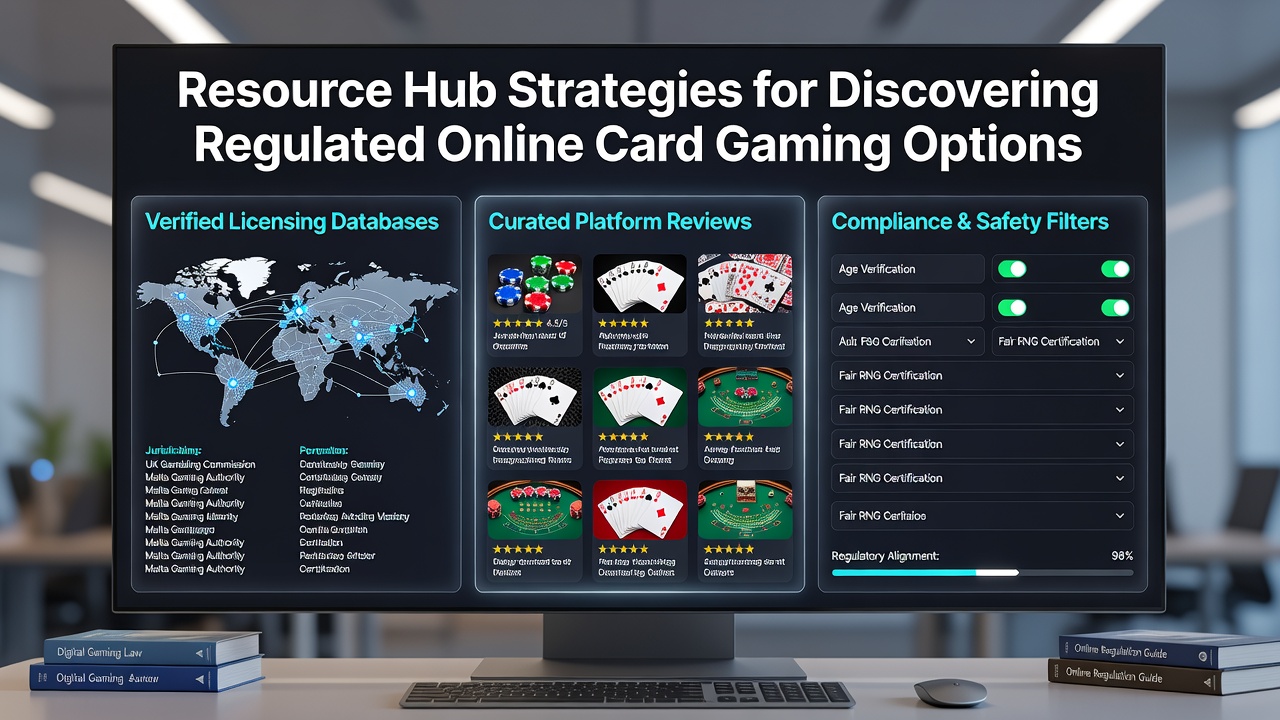
Resource hubs serve as centralized platforms that compile licensing data, regulatory updates, and verification tools for those seeking regulated online card gaming options, and these systems draw from official government records across multiple jurisdictions. Data from licensing authorities shows that operators must display active permits from recognized bodies before any platform can appear in a reputable hub, which reduces exposure to unlicensed sites. In August 2026 regulatory summaries indicated steady growth in the number of verified operators listed through such hubs, particularly in markets where digital verification processes have expanded.
Core Components of Effective Resource Hubs
Hubs organize information into searchable databases that include license numbers, expiry dates, and compliance histories, while they also integrate direct links to primary regulatory sources so users can confirm details independently. Observers note that successful hubs maintain real-time feeds from agencies such as the New Jersey Division of Gaming Enforcement, allowing automatic updates when new licenses issue or existing ones face suspension. Cross-referencing features let visitors compare operator credentials against multiple regional lists in a single view, which streamlines the discovery process without requiring separate visits to each government portal.
Verification Techniques Employed by Resource Hubs
Hub administrators apply layered checks that begin with license validation and extend to financial reporting requirements and player fund segregation rules, and these steps follow protocols established by bodies including the Alcohol and Gaming Commission of Ontario. Automated scripts scan for revoked or conditional licenses daily, while manual reviews cover complaint resolution records and audit summaries published by oversight agencies. Those who maintain the hubs often publish methodology documents that detail how each verification layer operates, giving users transparent insight into the criteria applied before an operator receives inclusion.

Regional Regulatory Integration in Hub Design
Hubs that cover multiple jurisdictions structure their interfaces to highlight differences in licensing standards, for instance separating requirements under Pennsylvania Gaming Control Board rules from those applied in other North American markets. Geographic filters allow targeted searches that surface only operators holding permits valid in specific provinces or states, and these filters update whenever new legislation alters allowable game types or deposit limits. Industry reports compiled by the American Gaming Association reveal that hubs incorporating such regional layers experience higher user retention because visitors receive jurisdiction-specific compliance alerts rather than generic listings.
Data Sources and Update Protocols
Resource hubs pull primary data from official gazettes, enforcement bulletins, and annual reports issued by gaming authorities, then they timestamp each entry so users can assess freshness. Protocols require at least weekly reconciliation against source documents, with immediate flags raised for any discrepancy detected during automated audits. Researchers have documented that hubs employing these disciplined update cycles maintain higher accuracy rates compared with static directories that rely on infrequent manual submissions from operators themselves.
Conclusion
Resource hubs continue to evolve as structured gateways that connect users to verified regulatory information across diverse markets, and their effectiveness depends on consistent integration with primary government sources and rigorous verification routines. As licensing frameworks expand in August 2026 and beyond, the role of these hubs in organizing and presenting compliant options remains central to informed discovery of regulated online card gaming platforms.