Cross-Jurisdictional Standards in Casino and Poker Resource Aggregation Systems
Cameron Günther · Jun 11, 2026
Cross-Jurisdictional Standards in Casino and Poker Resource Aggregation Systems
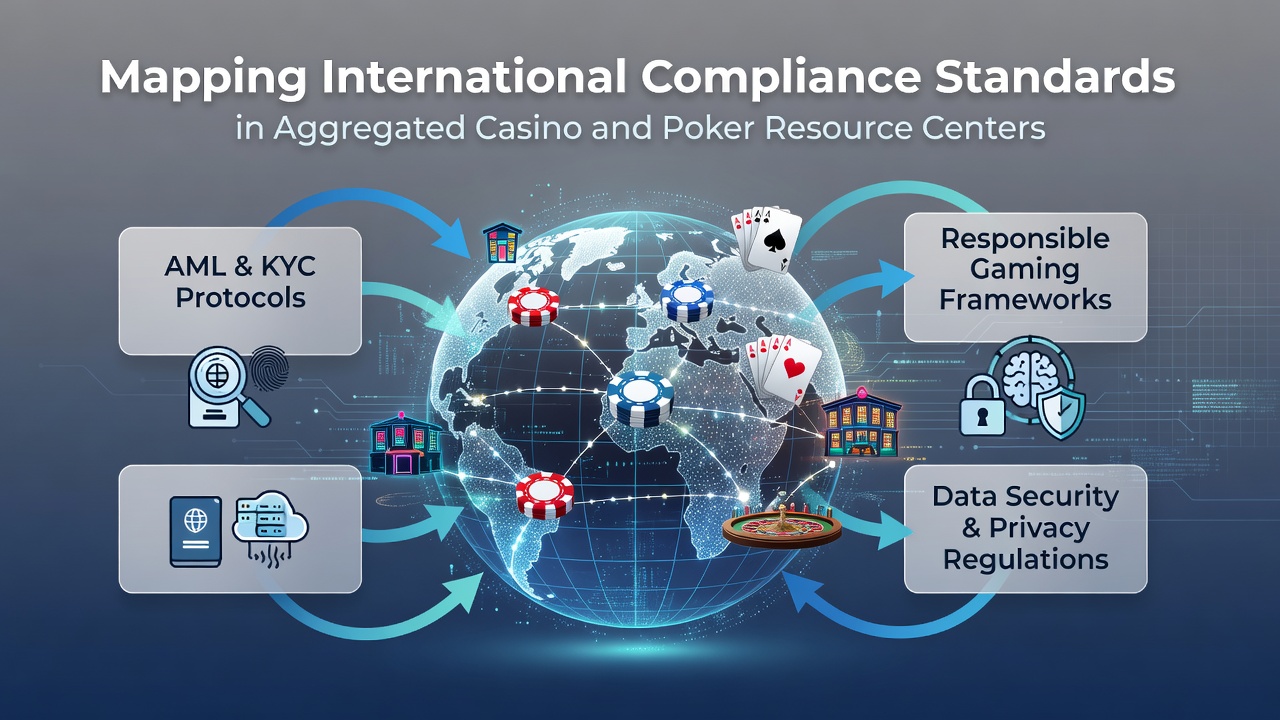
Resource centers that aggregate casino and poker listings operate across multiple regulatory environments, and mapping compliance standards requires systematic tracking of rules that differ by jurisdiction, licensing body, and operational scope. Aggregators collect site data, review terms, and present options to users while aligning their internal processes with legal requirements that span continents. Data from regulatory updates in 2025 and early 2026 show continued refinement of these frameworks, with new reporting obligations scheduled for implementation in June 2026 across several regions.
Core Elements of Compliance Mapping
Compliance mapping begins with identification of licensing categories that apply to each listed operator, including remote gaming permits, land-based authorizations, and payment processing approvals. Resource centers categorize entries according to the issuing authority, which allows users to filter results based on recognized regulatory bodies in North America, Europe, Asia-Pacific, and other markets. Observers note that this categorization reduces exposure to unlicensed platforms because verification occurs at the directory level before listings appear.
Technical standards form another layer, covering encryption protocols, random number generator certification, and data protection measures that align with regional privacy statutes. Aggregators maintain records of third-party audits conducted on listed sites, and these records reference testing laboratories approved by multiple jurisdictions simultaneously. When a new certification emerges from an accredited lab, the mapping system updates associated entries to reflect current status without requiring manual re-entry for each jurisdiction.
Regional Variations and Data Integration
North American approaches emphasize state and provincial licensing, with resource centers tracking separate requirements for each jurisdiction that permits online casino or poker operations. Listings often include indicators for compliance with specific statutes, such as those governing player age verification and responsible gaming tools. Integration of these indicators relies on automated feeds from regulatory portals, which publish license status changes in standardized formats.
European frameworks incorporate cross-border recognition under certain directives, allowing operators licensed in one member state to offer services elsewhere under defined conditions. Aggregated centers map these mutual recognition rules by maintaining matrices that link primary licenses to additional market access permissions. Industry reports indicate that such matrices help directories avoid listing operators whose approvals have been suspended in secondary markets.
Asia-Pacific and Australian systems introduce further distinctions, particularly around advertising restrictions and player fund segregation. Resource centers incorporate these elements into their tagging systems so that search results reflect only those operators meeting local fund protection criteria. Updates scheduled for June 2026 will require additional disclosure fields related to dispute resolution timelines, prompting many aggregators to expand their data schemas in advance.
Practical Implementation in Directory Operations
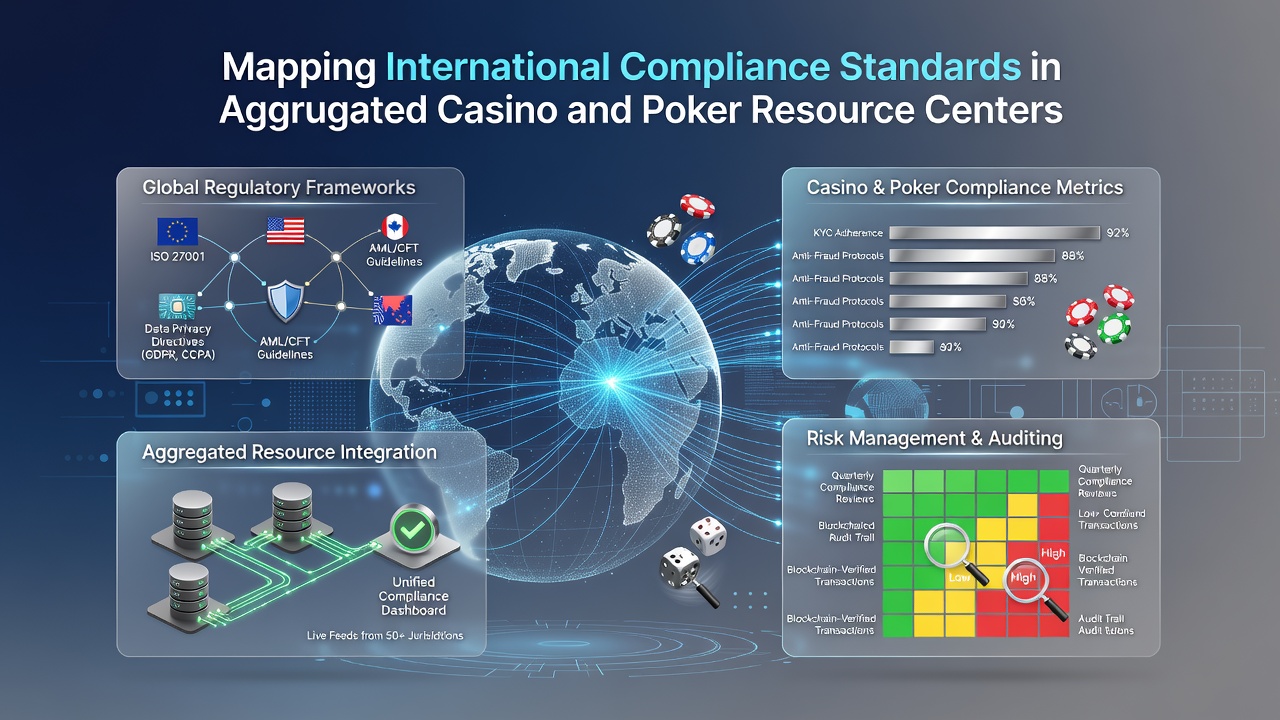
Directory operators employ database schemas that store compliance attributes as structured fields rather than free-text notes. Each field corresponds to a measurable criterion, such as minimum capital requirements or audit frequency, which permits queries across multiple jurisdictions at once. When regulators release revised guidelines, the schema accommodates new fields without disrupting existing records.
Case studies from aggregation platforms demonstrate that automated monitoring scripts pull license status from official sources on scheduled intervals. These scripts flag discrepancies between listed operator claims and regulator records, triggering review workflows before public visibility changes occur. One documented instance involved an operator whose license renewal was delayed; the directory removed the listing within hours of the status update appearing on the regulatory feed.
Payment method compliance adds another dimension, because certain jurisdictions restrict specific processors or require additional licensing for financial intermediaries. Resource centers map these restrictions by associating each payment option with the jurisdictions where it remains permitted, which prevents users from encountering unavailable methods after selecting a listed site.
Future Adjustments and Scheduled Changes
Regulatory calendars released in late 2025 point to expanded data-sharing requirements between licensing authorities beginning in June 2026. Aggregated centers have begun preparing by establishing secure channels for receiving standardized compliance reports, reducing reliance on manual verification. These preparations include staff training on new data formats and updates to internal dashboards that display jurisdiction-specific alerts.
Research from academic institutions examining regulatory harmonization shows gradual convergence on certain technical standards, such as common testing protocols for game fairness. Yet differences persist in areas like taxation reporting and player self-exclusion registries, which continue to require separate mapping entries for each jurisdiction. Aggregators that maintain comprehensive cross-references position themselves to adapt quickly when additional harmonization measures take effect.
Conclusion
Mapping international compliance standards in aggregated casino and poker resource centers involves structured data management, automated monitoring, and ongoing alignment with regulatory updates across multiple regions. The process supports accurate filtering and reduces the risk of directing users toward non-compliant operators. As new obligations approach in June 2026, directories continue refining their schemas and integration methods to accommodate expanded disclosure requirements while preserving the integrity of existing compliance records. European Gaming and Betting Association publications and reports from the International Association of Gaming Regulators provide reference points for these ongoing adjustments.