Charting Connections in Aggregated Betting Platforms: Insights into Resource Mapping and Compliance Standards
Carlo Wagner · Aug 6, 2026
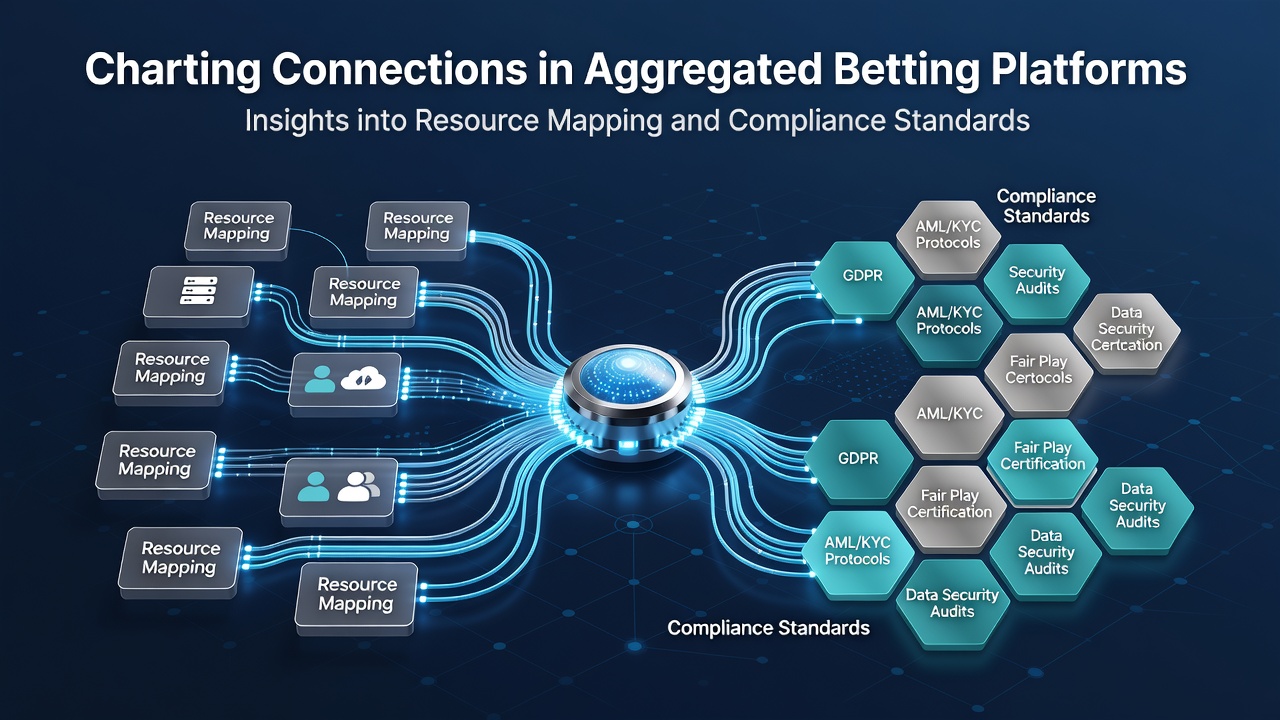
Charting Connections in Aggregated Betting Platforms: Insights into Resource Mapping and Compliance Standards
Aggregated betting platforms consolidate odds and wagering options from multiple operators into unified interfaces that streamline access for users while requiring precise coordination of backend systems. These platforms rely on resource mapping to track data flows, server allocations, and API connections across distributed networks, and this process supports adherence to regulatory frameworks that govern financial transactions, user data handling, and operational transparency. Data from industry analyses indicate that such mapping reduces latency in odds updates by up to 40 percent when implemented through standardized protocols, according to findings published in reports by the European Gaming and Betting Association.
Defining Aggregated Betting Platforms and Their Core Functions
Operators build aggregated platforms by integrating feeds from independent bookmakers, exchanges, and lottery providers into a single dashboard that presents real-time pricing and market depth. Resource mapping begins with cataloging each external data source, assigning unique identifiers to servers, and charting dependencies between liquidity pools and settlement engines. Observers note that this structured approach allows administrators to isolate bottlenecks during peak betting periods, such as major sporting events, while maintaining audit trails that regulators require for verification of fair play mechanisms.
Resource Mapping Techniques in Practice
Technicians employ graph-based models to visualize connections among databases, content delivery networks, and risk management modules, and these models highlight redundant pathways that can be optimized without disrupting live operations. In one documented implementation, engineers at a European aggregator reduced infrastructure overhead by mapping virtual machine allocations against transaction volumes, which revealed opportunities to consolidate underutilized nodes. Studies from academic research centers show that dynamic mapping tools, updated every 15 minutes, improve system resilience when unexpected spikes in wagering activity occur, because they enable rapid rerouting of computational resources to high-demand areas.
Compliance Standards Shaping Platform Architecture
Regulatory bodies across multiple jurisdictions enforce standards that directly influence how aggregated platforms design their resource maps, and these rules cover anti-money laundering checks, age verification protocols, and data localization requirements. Platforms must demonstrate that mapped resources align with these mandates through periodic third-party audits, which examine encryption pathways and access logs. Figures released by the Australian Communications and Media Authority reveal that operators who maintain detailed resource inventories pass compliance reviews 25 percent faster than those relying on ad-hoc documentation, because inspectors can trace transaction origins without delays. And yet the process extends beyond initial setup, since ongoing updates to mapping schemas accommodate evolving rules such as those scheduled for rollout in August 2026 under expanded digital services directives.
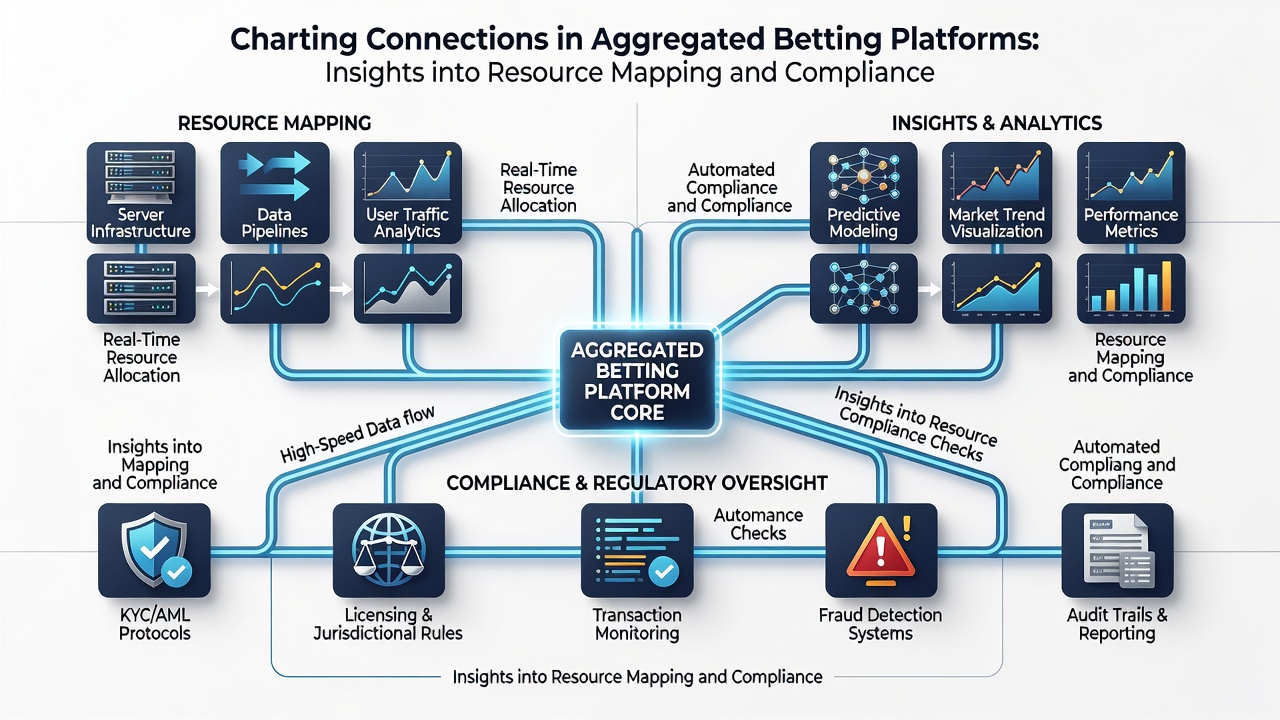
Integration of Mapping Tools with Regulatory Reporting
Software solutions automate the generation of compliance reports by pulling data directly from resource maps, which record every API call, user session, and fund transfer in timestamped sequences. This automation cuts manual review time while ensuring that reports submitted to oversight agencies reflect accurate system states. Researchers at North American institutions have documented cases where incomplete mapping led to reporting discrepancies that triggered extended investigations, whereas comprehensive charts facilitated swift resolution. Platforms therefore prioritize mapping updates that coincide with regulatory filing deadlines to avoid penalties associated with incomplete disclosures.
Geographic Variations in Standards and Mapping Requirements
Different regions impose distinct constraints on how aggregated platforms organize their resources, and North American frameworks emphasize real-time monitoring of problem gambling indicators, while Asian markets focus on cross-border data transfer restrictions. Mapping strategies adapt accordingly, incorporating region-specific nodes that isolate sensitive information within approved jurisdictions. Evidence compiled by the Canadian Centre on Substance Use and Addiction indicates that localized resource allocation improves adherence rates because it aligns technical infrastructure with local enforcement priorities without compromising global platform performance.
Conclusion
Aggregated betting platforms depend on thorough resource mapping to meet compliance standards that span financial security, data protection, and operational accountability across varied regulatory landscapes. The techniques and integrations described continue to evolve as new directives approach implementation in August 2026, and organizations that maintain precise, updatable charts position themselves to satisfy both current audits and forthcoming requirements through systematic documentation and automated reporting pathways.